Male Or Female Australian Shepherd: Key Differences And Personality Traits
Choosing between a male or female Australian Shepherd can feel like a big decision, especially when you want the right fit for your home and lifestyle. Both share the breed’s intelligence, loyalty, and high energy, but subtle differences can shape your day‑to‑day experience.

Male and female Australian Shepherds are more alike than different, but males tend to be slightly larger and more easygoing, while females are often a bit more independent and quicker to mature. Males usually stand taller and carry more muscle, while females often stay a few pounds lighter and may show focus and sensitivity earlier in life.
You also need to think about training style, activity level, and long‑term health factors such as spaying or neutering. When you understand how size, temperament, and lifestyle fit together, you can choose the Aussie that matches your energy and expectations.
Key Takeaways
- Males are typically larger and may act more laid‑back, while females are slightly smaller and often mature faster.
- Both genders are highly intelligent and energetic, and require consistent training and exercise.
- Your lifestyle, activity level, and personal preference matter more than gender alone.
Physical Differences Between Male and Female Australian Shepherds
Male and female Australian Shepherds share the same overall structure and coat types, but they differ in size, build, and growth patterns. These physical traits can affect how much space you need, how you manage grooming, and what to expect as your dog matures.
Size and Weight Comparison
You will usually notice the size difference first. Male Australian Shepherds stand about 20–23 inches tall at the shoulder, while females typically measure 18–21 inches.
Weight follows a similar pattern. Males often weigh 50–65 pounds, and females usually range from 40–55 pounds, depending on genetics and conditioning.
Males tend to have a broader head, thicker neck, and heavier bone structure. Females often appear slightly more refined, with a lighter frame and narrower build.
These differences are not extreme, but they matter if you live in a small space or prefer a lighter dog for activities like travel or agility. Even a 10-pound difference can affect handling, lifting, and feeding costs over time.
Coat and Color Variations
You will not see major coat differences between males and females. Both sexes have a medium-length double coat with a weather-resistant outer layer and a dense undercoat.
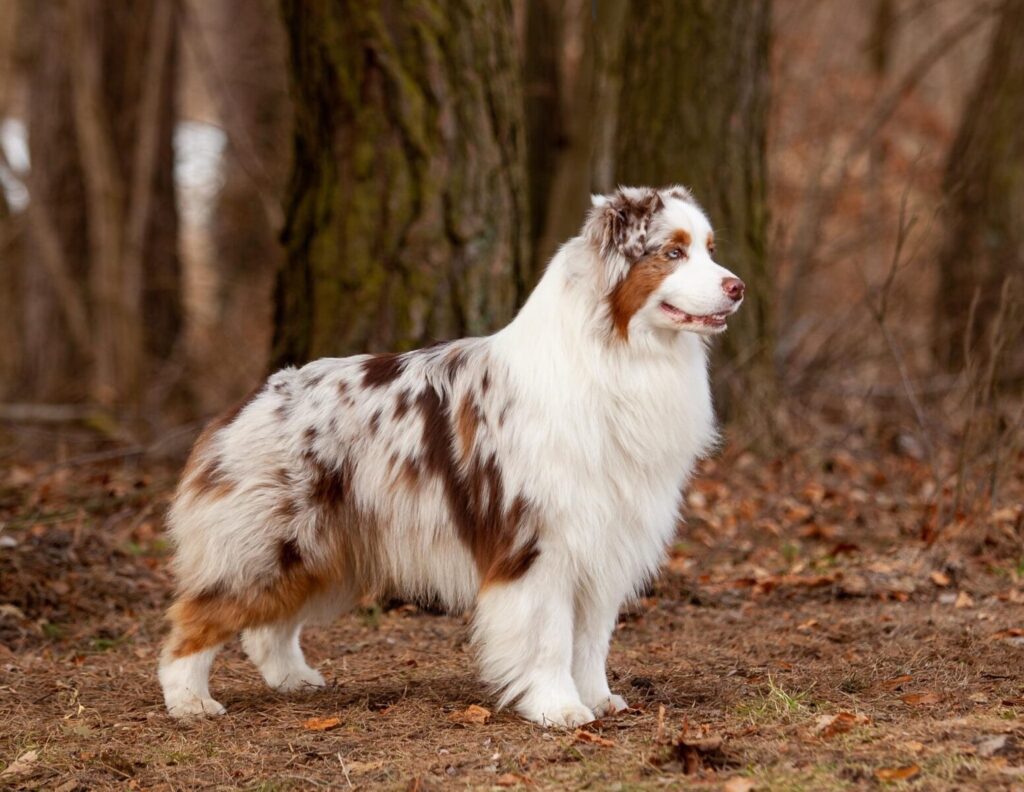
Australian Shepherds come in the same standard colors regardless of sex.
- Blue merle
- Red merle
- Black
- Red
Each color may include white markings and copper points.
Some males grow a slightly fuller ruff around the neck and chest, which can give them a more dramatic appearance. Females usually carry a bit less coat volume, though this varies by bloodline.
Shedding patterns remain similar. Both males and females shed year-round and more heavily during seasonal coat changes, so your grooming routine will not depend much on gender.
Physical Maturity Rates
Female Australian Shepherds often mature physically a bit earlier than males. You may notice females filling out and reaching near-adult height sooner, sometimes by 10–12 months.
Males can take longer to fully develop. Many continue gaining muscle mass and chest width until 18–24 months of age.
Growth plates in both sexes typically close between 12 and 18 months, depending on the individual dog. Proper nutrition and controlled exercise during this stage help protect joints.
Spaying or neutering can also influence physical development, especially if done early. Timing may affect final height and body composition, so you should discuss this with your veterinarian based on your dog’s specific growth pattern.
Temperament and Personality Traits
Male and female Australian Shepherds share high intelligence, strong loyalty, and a need for daily activity. You will notice differences in energy expression, social style, and dominance patterns that can influence how well each sex fits your household.

Energy Levels
You can expect high energy from both male and female Australian Shepherds. This breed was developed for herding livestock, so daily physical and mental work is not optional.
Many owners report that males often show slightly higher visible energy levels. They may act more playfully, seek interaction more often, and stay active longer during outdoor sessions. If you enjoy long hikes, agility training, or advanced obedience work, a male may match your pace.
Females still require the same amount of exercise, but they sometimes display their energy in a more focused way. You may notice quicker maturity and better impulse control as they age.
Regardless of sex, plan for:
- 1–2 hours of structured exercise daily
- Ongoing training sessions
- Puzzle toys or task-based games
Without consistent outlets, either sex can develop problem behaviors like barking or destructive chewing.
Social Behaviors
Australian Shepherds form strong bonds with their families. You will likely find both males and females affectionate and attentive.
Males are often described as more outwardly social. They may greet guests with enthusiasm and seek frequent physical contact. If you want a dog that actively solicits attention, a male may fit that preference.
Females sometimes show a more reserved approach, especially with strangers. They can be deeply loyal but slightly more selective in their interactions. This does not mean they are unfriendly; it often reflects a more independent temperament.
With other dogs, early socialization matters more than sex. Still, you may observe:
| Trait | Males | Females |
|---|---|---|
| Play style | Rougher, more physical | More measured |
| Stranger response | Often outgoing | Sometimes cautious |
| Attachment style | Highly people-focused | Loyal but slightly independent |
Your training consistency plays a larger role than gender in shaping social outcomes.
Aggression and Dominance Tendencies
You should understand how dominance tendencies may show up, especially in multi-dog households.
Males are more likely to display dominance behaviors toward other male dogs. This can include posturing, mounting, or territorial marking. Neutering often reduces these behaviors but does not eliminate them.
Females can also show dominance, particularly toward other females. Some owners report that female-to-female conflicts can be more persistent if they occur.
Both sexes benefit from the following rules and activities.
- Early obedience training
- Clear household rules
- Structured leadership
Australian Shepherds are intelligent and responsive. When you set firm, consistent expectations, you reduce the risk of aggression and maintain a stable temperament in either sex.
Trainability and Intelligence
You can expect a high level of intelligence from both male and female Australian Shepherds. Differences show up more in focus, maturity rate, and how each sex responds to structure and consistency.
Response to Training Techniques
Both males and females learn commands quickly, especially when you use positive reinforcement such as treats, toys, or praise. Australian Shepherds were bred to work closely with humans, so they respond best when you give clear direction and immediate feedback.
Male Aussies often show bold enthusiasm during training. You may notice more testing of boundaries, particularly during adolescence. Consistent rules and short, structured sessions help you prevent pushy behavior from becoming a habit.
Females tend to mature slightly faster. Many owners find that females settle into routines earlier and show steady responsiveness to repetition. They often respond well to firm but calm guidance and may pick up household manners with fewer reminders.
Regardless of sex, avoid harsh corrections. This breed thinks independently, and overly forceful methods can reduce cooperation rather than improve it.
Focus and Attention Span
Australian Shepherds have strong working drives, but focus can vary slightly between males and females. Energy level plays a direct role in how well your dog concentrates.
Male Aussies often display slightly higher physical energy. During training, you may see bursts of excitement that interrupt focus. Structured exercise before a session—such as a brisk walk or short game of fetch—can improve attention.

Females frequently show more consistent concentration in controlled settings. Many handlers report that females maintain eye contact longer and stay engaged through repetitive drills. This can make advanced obedience or agility pattern work feel smoother.
That said, individual temperament matters more than sex. Genetics, early socialization, and your training routine shape attention span far more than gender alone.
Health Considerations for Males and Females
A male or female Australian Shepherd shares many core health risks, but sex-specific conditions can influence your long-term care decisions. You should understand how reproductive anatomy, hormones, and genetics affect disease risk and preventive care.
Common Gender-Specific Health Issues
Both male and female Australian Shepherds can develop inherited conditions such as hip dysplasia, elbow dysplasia, epilepsy, and certain eye disorders like cataracts and progressive retinal atrophy. Responsible breeding and early screening matter for both sexes.
Male Aussies face a higher risk of testicular cancer if left intact. Neutering eliminates that risk. Some males also show a slightly higher incidence of certain joint problems, especially if they grow quickly or gain excess weight.
Female Aussies may develop mammary tumors, particularly if they remain unspayed through multiple heat cycles. They can also experience pyometra, a serious uterine infection that requires emergency treatment. If you breed your dog, pregnancy and whelping add additional risks, including complications that may require veterinary intervention.
Impact of Spaying and Neutering
Spaying and neutering reduce or eliminate several reproductive health risks, but timing plays an important role. When you neuter a male, you prevent testicular cancer and lower the likelihood of prostate enlargement later in life.
Spaying a female removes the risk of pyometra and greatly reduces the chance of mammary tumors, especially if done before the second heat cycle. However, early spaying or neutering may affect growth plate closure, which can influence joint development in large, active breeds like the Australian Shepherd.

You should discuss timing with your veterinarian based on your dog’s size, activity level, and family history. Careful planning helps you balance cancer prevention, orthopedic health, and behavioral considerations.
Exercise and Activity Needs
Male and female Australian Shepherds both require daily, structured exercise to stay healthy and well-behaved. Differences between the sexes are subtle, but males may show slightly higher stamina and intensity during physical activity.
Playtime Preferences
You can expect high energy from both male and female Australian Shepherds. Most adults need 1–2 hours of physical activity each day, along with mental stimulation such as training drills or puzzle toys.
Male Aussies sometimes push play sessions longer. They may chase a ball repeatedly, roughhouse more, or stay engaged in fetch after a female has settled down. This does not mean females lack drive; many females match or exceed males in focus, especially during structured games like agility or obedience work.
Keep playing purposefully. Short training games, herding-style tasks, frisbee, and advanced fetch drills work well.
If you skip regular activity, you may notice:
- Excessive barking
- Chewing or digging
- Restlessness indoors
Regular exercise prevents boredom-related behavior problems in both sexes.
Outdoor vs Indoor Activities
Australian Shepherds thrive with outdoor activity. Long walks, trail hikes, running beside you, and structured sports like agility or flyball meet their physical needs and challenge their intelligence.

If you have a yard, use it for interactive play rather than free roaming. Herding breeds rarely tire themselves out alone. You need to engage them with direction and purpose.
Indoor exercise still matters, especially in bad weather or apartment living.
- Obedience refreshers
- Trick training sessions
- Tug games with rules
- Food puzzle toys
Males may pace or seek stimulation more persistently when under-exercised. Females often channel unused energy into alert behavior, such as increased watchfulness or barking.
No matter the sex, your Australian Shepherd needs a routine. Predictable daily activity keeps muscles strong, maintains a healthy weight, and supports balanced behavior.
Behavior With Children and Other Pets
Male and female Australian Shepherds both form strong bonds with their families, but they often show those bonds in slightly different ways. You will notice differences in energy levels, play style, and social behavior, especially in busy households with kids or multiple animals.
Family Interactions
If you have children, you can expect both male and female Australian Shepherds to be affectionate and highly involved in daily life. Aussies thrive on interaction, and they often try to “organize” kids through gentle herding behaviors like circling or nudging.
Males often stay more playful and goofy into adulthood. You may find that your male Aussie seeks constant engagement, follows your kids from room to room, and turns every backyard outing into a game. This can be fun, but it also requires supervision so that play does not become too rough.
Females often mature a bit faster. Many owners report that females show slightly more focus and impulse control, which can make them easier to manage around younger children. Some females also display nurturing tendencies, staying close and watching over kids rather than constantly initiating play.
Regardless of sex, early socialization and clear boundaries matter more than gender. You need to teach your Aussie that chasing, nipping, or herding children is not acceptable behavior.
Compatibility With Other Household Animals

When it comes to other pets, both sexes can live peacefully with proper training and structure. Australian Shepherds are intelligent and responsive, so you can shape polite behavior with consistent guidance.
Intact males are more likely to show dominance behaviors, such as marking or posturing around other dogs. Neutering often reduces these tendencies. If you already have a confident male dog, adding another male may require slower introductions and careful supervision.
Females can also display territorial behavior, especially around resources like food or favorite resting spots. However, many owners find females slightly more tolerant of other household pets once boundaries are established.
With cats or smaller animals, herding instinct plays a bigger role than sex. You should supervise introductions and reinforce calm behavior. Structured routines, separate feeding areas, and positive reinforcement help both males and females settle into multi-pet homes successfully.
Choosing the Right Australian Shepherd for Your Lifestyle
Your daily schedule, experience level, and household energy matter more than the dog’s sex alone. Males and females share core Aussie traits—intelligence, drive, and loyalty—but small differences can influence how smoothly they fit into your life.
Suitability for First-Time Owners
If you’re a first-time dog owner, focus on trainability, intensity, and manageability rather than gender stereotypes. Both male and female Australian Shepherds learn quickly, but they also test boundaries if you stay inconsistent.
Males often grow slightly larger and may show more physical exuberance, especially during adolescence. That can feel overwhelming if you’re still learning how to manage herding behaviors like nipping or chasing.
Females typically mature a bit faster and may show more independence. Some owners find females easier to handle in structured training, while others prefer the affectionate, attention-seeking nature many males display.
No matter which you choose, plan for the following objectives.
- Daily vigorous exercise (60–90+ minutes)
- Ongoing obedience training
- Mental stimulation, such as puzzle toys or agility work
- Early socialization with people and other dogs
If you want a steadier start, look for a breeder who matches temperament to your experience level instead of choosing based only on sex.
Best Fit for Active Families
Australian Shepherds thrive in homes that stay busy. If your family hikes, runs, or spends long hours outdoors, either sex can keep up without issue.
Males may show slightly higher activity levels and a stronger desire to engage in rough-and-tumble play. That can suit families with older children who enjoy structured games and sports.
Females often excel at reading social dynamics and setting boundaries. In a household with multiple pets or younger kids, that trait can help maintain order when energy runs high.
Prioritize the following activities with active families.
- Space to move, such as a fenced yard
- Clear rules that every family member enforces
- Jobs or tasks, like advanced obedience or dog sports

When your lifestyle already includes movement and structure, both male and female Aussies integrate well and stay mentally balanced.
Final Thoughts on Choosing a Male or Female Australian Shepherd
Choosing between a male and female Australian Shepherd comes down to what fits your home, routine, and expectations.
Both sexes share the breed’s core traits: intelligence, high energy, loyalty, and strong herding instincts. You will get a dog that needs daily exercise, mental stimulation, and consistent training, no matter which you choose.
Male Aussies are often slightly larger and may act more playful or goofy for longer. Some owners find them more attention-seeking and slower to mature.
Females tend to mature a bit faster and can appear more independent. Many owners describe them as focused and responsive, especially during training.
| Trait | Male | Female |
|---|---|---|
| Size | Slightly larger | Slightly smaller |
| Maturity | Slower to mature | Often matures earlier |
| Personality | Playful, social | Focused, sometimes more reserved |
Your lifestyle matters more than gender. If you want a working partner for sports or livestock, either sex can excel with proper training. If you prefer a certain size or temperament style, that may guide your decision.
Meet individual dogs whenever possible. Personality, upbringing, and training shape behavior far more than gender alone.
When you choose based on your needs and commit to consistent care, you set yourself up for a strong partnership with your Australian Shepherd.
Frequently Asked Questions on Choosing a Male or Female Australian Shepherd
Male and female Australian Shepherds share the same core traits—intelligence, energy, and loyalty—but they differ in size, social behavior, and maturity patterns. Your choice often depends on how much space you have, your activity level, and the type of bond you prefer.
Are there any noticeable size differences between male and female Australian Shepherds?
Yes, you will usually see a modest size difference.
Male Australian Shepherds typically stand about 20 to 23 inches tall at the shoulder and weigh around 50 to 65 pounds. Females are often slightly smaller, usually 18 to 21 inches tall and weighing about 40 to 55 pounds.
The difference is noticeable but not extreme. Both sexes remain medium-sized, athletic dogs with similar overall build and coat type.
What are the typical temperament traits of male Australian Shepherds compared to females?
You can expect both males and females to be highly intelligent, energetic, and eager to work.
Males often act more playful and social, especially into adulthood. Some mature a bit slower and may show more clownish behavior.
Females often mature earlier and can appear more focused and independent. Many owners describe females as slightly more reserved with strangers while still deeply loyal to their family.
Is there a significant difference in the protectiveness between male and female Aussies?
Both sexes can be protective because the breed has strong guarding instincts.
Males may display more obvious territorial behavior, especially if they are not neutered. They might posture or bark more when someone approaches your home.
Females can also be protective, but they often assess situations quietly before reacting. Proper training and socialization have a greater impact on protectiveness than sex alone.
Do male or female Australian Shepherds tend to be more cuddly with their owners?
Cuddliness depends more on individual personality than gender.
Many male Aussies enjoy physical affection and may seek attention more openly. They often lean against you or follow you closely around the house.
Females may show affection in a slightly more selective way. You might notice that she chooses specific moments to cuddle but still forms a strong bond with you.
What should be expected in terms of temperament when choosing a female Australian Shepherd puppy?
You should expect a female puppy to be active, alert, and quick to learn.
Female Aussies often mature mentally a bit earlier than males. You may notice focused behavior during training sessions, even at a young age.
Some females show independent streaks, so consistent boundaries and early socialization help shape balanced behavior. With structure, you get a loyal and attentive companion.
Are male or female Mini Australian Shepherds calmer in nature?
Mini Australian Shepherds, often called Mini American Shepherds, share the same high-energy background as standard Aussies.
You should not expect a major calmness difference based solely on sex. Both male and female minis need daily exercise and mental stimulation.
Individual temperament, breeding, and training matter far more than gender when it comes to how calm your mini will be at home.