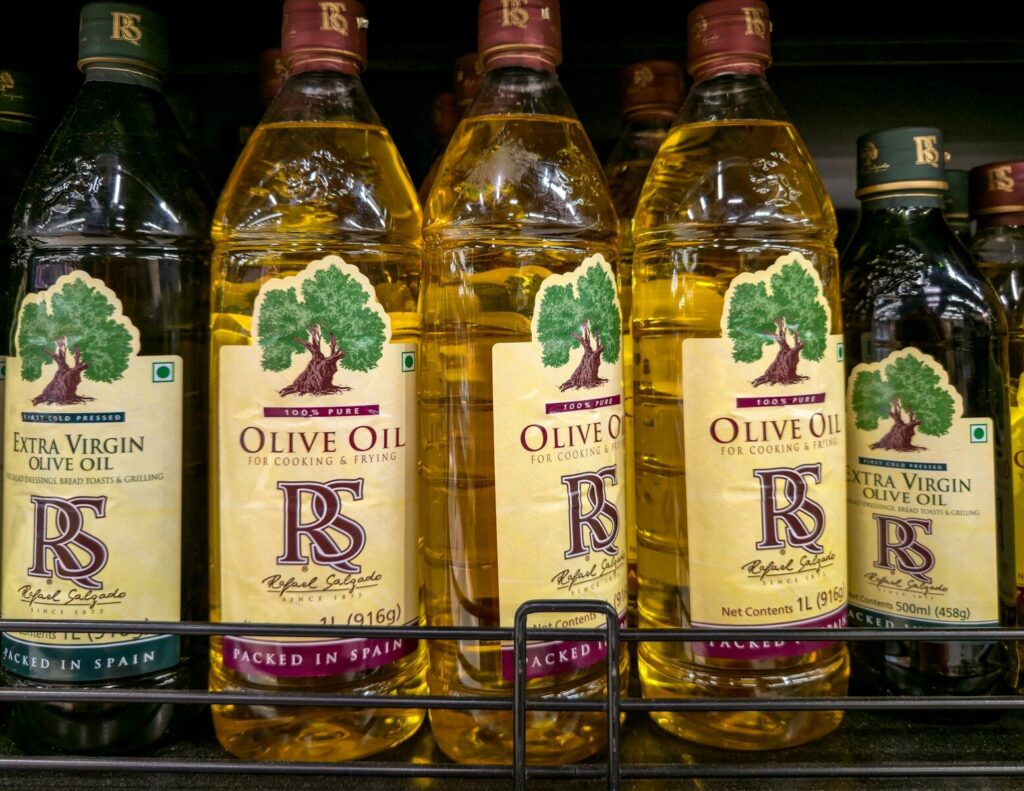
Is Vegetable Oil Harmful To Your Dog? Here’s What You Need to Know
Vegetable oil is a common ingredient in many households and can be found in various dishes. However, if you are a pet owner, you may wonder if it is safe for your furry friend to consume. So, is vegetable oil harmful to your dog?
The good news is that vegetable oil is not toxic to dogs. In fact, it can provide some health benefits, such as improving their coat and skin health. However, it is essential to keep in mind that too much of anything can be harmful, and this applies to vegetable oil as well.
If your dog consumes a small amount of vegetable oil, it is unlikely to cause any harm. Still, larger quantities can lead to various health issues, including diarrhea, vomiting, and pancreatitis. Therefore, it is crucial to monitor your pet’s intake and seek veterinary attention if they exhibit any concerning symptoms after consuming vegetable oil.
Understanding Vegetable Oil
Vegetable oil is a type of oil that is derived from plants. It is commonly used in cooking and baking due to its neutral taste and high smoke point. Vegetable oil is made by extracting oil from various plants, including soybeans, corn, canola, sunflower, and safflower. It is also commonly blended with other oils to create a more desirable taste or texture.
While vegetable oil is generally considered safe for human consumption, it can be harmful to dogs if consumed in large quantities. This is because vegetable oil can cause gastrointestinal upset, including nausea, vomiting, diarrhea, and abdominal pain. In severe cases, it can also lead to dehydration, fever, and loss of appetite.

It is important to note that not all vegetable oils are created equal. Some, such as olive and coconut oil, are considered healthier options due to their high levels of monounsaturated and medium-chain fatty acids, respectively. Other oils, such as soybean and corn oil, are high in omega-6 fatty acids, which can be harmful in excess.
It is best to avoid feeding your dog vegetable oil unless specifically recommended by a veterinarian. If your dog does accidentally ingest vegetable oil, monitor them closely for any signs of gastrointestinal upset and contact your veterinarian if you notice any concerning symptoms.
Potential Risks of Vegetable Oil for Dogs
While vegetable oil is generally safe for dogs to consume in small amounts, it can pose some potential risks. Here are some things to keep in mind.
High in Fat
Vegetable oil is high in fat, which can be problematic for dogs if consumed in excess. Too much fat can lead to obesity, which in turn can lead to a range of health problems such as joint pain, diabetes, and heart disease. Additionally, consuming too much fat at once can cause gastrointestinal upset, including vomiting and diarrhea.
Possible Allergies
Some dogs may be allergic to vegetable oil or other ingredients commonly found in cooking oils. Signs of an allergic reaction can include itching, swelling, and difficulty breathing. If you suspect your dog may be allergic to vegetable oil, it’s best to avoid feeding it to them and consult with your veterinarian.
Interference with Nutrient Absorption
Consuming too much vegetable oil can interfere with a dog’s ability to absorb certain nutrients, such as vitamins A, D, E, and K. This is because these vitamins are fat-soluble, meaning they require fat to be properly absorbed by the body. If your dog is consuming too much vegetable oil, they may not be getting the full nutritional benefit of their food.
Risk of Pancreatitis
Finally, consuming too much fat can increase a dog’s risk of developing pancreatitis, a condition in which the pancreas becomes inflamed. Symptoms of pancreatitis can include vomiting, diarrhea, abdominal pain, and lethargy. In severe cases, pancreatitis can be life-threatening and require hospitalization.
While vegetable oil is not toxic to dogs, it’s important to use it in moderation and be aware of the potential risks. If you have any concerns about your dog’s diet, it’s always best to consult with your veterinarian.

Symptoms of Vegetable Oil Toxicity in Dogs
If your dog has ingested vegetable oil, they may experience a range of symptoms. Here are the most common symptoms that you should look out for:
Digestive Issues
One of the most common symptoms of vegetable oil toxicity in dogs is digestive issues. Dogs that have ingested vegetable oil may experience vomiting, diarrhea, and abdominal pain. In severe cases, they may also experience dehydration, loss of appetite, and lethargy.
Weight Gain
Vegetable oil is high in calories, which means that if your dog ingests too much of it, they may gain weight. If your dog is already overweight or obese, this can be a serious health concern. Overweight dogs are at a higher risk of developing a range of health issues, including diabetes, heart disease, and joint problems.
Pancreatitis
In some cases, dogs that ingest vegetable oil may develop pancreatitis. Pancreatitis is a condition in which the pancreas becomes inflamed and cannot function properly. Symptoms of pancreatitis in dogs include vomiting, diarrhea, abdominal pain, and loss of appetite. In severe cases, pancreatitis can be life-threatening.
If you suspect that your dog has ingested vegetable oil, it’s important to monitor them closely for any of these symptoms. If your dog is experiencing any of these symptoms, you should contact your veterinarian immediately. They can provide you with guidance on how to manage your dog’s symptoms and prevent any further complications.
Safe Alternatives to Vegetable Oil for Dogs
If you’re looking for safe alternatives to vegetable oil for your dog, there are a few options to consider. Here are some of the best choices:
Coconut Oil

Coconut oil is a popular choice for dog owners. It’s high in healthy fats and can help support your dog’s immune system, improve their skin and coat, and even aid in digestion. Just be sure to start with small amounts and gradually increase the dosage to avoid any stomach upset.
Flaxseed Oil
Flaxseed oil is another healthy oil that can benefit your dog’s health. It’s high in omega-3 fatty acids, which can help reduce inflammation and support heart health. It’s also a good source of fiber, which can aid in digestion.
Fish Oil
Fish oil is a great source of omega-3 fatty acids, which can help support your dog’s heart, brain, and joint health. It’s also been shown to improve skin and coat health and reduce inflammation. Just be sure to choose a high-quality fish oil supplement that’s been specifically formulated for dogs.
Olive Oil
Olive oil is another healthy oil that can be used in moderation for dogs. It’s high in monounsaturated fats, which can help reduce inflammation and support heart health. It’s also a good source of antioxidants, which can help protect your dog’s cells from damage.
There are many safe alternatives to vegetable oil for dogs. Just be sure to choose high-quality oils and use them in moderation to avoid any potential health issues. As always, it’s best to consult with your veterinarian before making any changes to your dog’s diet.
When to Seek Veterinary Help
If your dog has consumed a significant amount of vegetable oil or is exhibiting symptoms of illness after consuming it, it may be time to seek veterinary help. Some of the symptoms to watch out for include vomiting, diarrhea, abdominal pain, loss of appetite, lethargy, and dehydration.

If your dog is experiencing any of these symptoms, it is important to take them to the vet as soon as possible. The vet will be able to assess the situation and determine the best course of action.
In some cases, the vet may recommend inducing vomiting to remove the vegetable oil from your dog’s system. This is typically done within a few hours of ingestion and is most effective when done under the guidance of a vet.
If your dog is severely dehydrated or experiencing other complications, they may need to be hospitalized for supportive care. This can include intravenous fluids, medications to control symptoms, and close monitoring to ensure that they are recovering properly.
Remember, it is always better to err on the side of caution when it comes to your dog’s health. If you are unsure whether your dog needs veterinary care, it is always best to consult with a vet to ensure that your dog receives the care they need to recover quickly and safely.
Final Thoughts on Is Vegetable Oil Harmful To Your Dog
Vegetable oil is not toxic to dogs and can be safely consumed in small amounts. However, excessive consumption of vegetable oil can lead to gastrointestinal issues such as nausea, vomiting, diarrhea, and abdominal pain.
It is important to note that not all types of vegetable oil are created equal. Some oils, such as olive oil, have health benefits for dogs when consumed in moderation. On the other hand, other oils such as canola oil may not be as beneficial.
If your dog accidentally consumes vegetable oil, it is important to monitor their symptoms and contact your veterinarian if they experience any severe symptoms or if their symptoms persist for an extended period of time. Additionally, it is always best to consult with your veterinarian before making any significant changes to your dog’s diet.
While vegetable oil is generally safe for dogs to consume in small amounts, it is important to exercise caution and moderation to prevent any potential health issues.
Frequently Asked Questions: Is Vegetable Oil Harmful To Your Dog
Is it safe to give my dog vegetable oil?
Yes, it is generally safe to give your dog vegetable oil in small amounts. However, giving your dog too much vegetable oil can lead to digestive issues such as diarrhea, abdominal pain, and dehydration. Always consult with your veterinarian before adding any new food or supplement to your dog’s diet.
What are some cooking oils that are safe for dogs?
In addition to vegetable oil, some other cooking oils that are safe for dogs include canola oil, flaxseed oil, and olive oil. These oils can provide some health benefits for your dog, but should still be given in moderation.
How much vegetable oil can I safely give my dog?
The amount of vegetable oil you can safely give your dog depends on their size and weight. As a general rule, you should give your dog no more than one teaspoon of vegetable oil per 10 pounds of body weight per day. However, it’s always best to consult with your veterinarian before adding any new food or supplement to your dog’s diet.
Can vegetable oil help with my dog’s dry skin?
Vegetable oil can be beneficial for your dog’s dry skin, as it can help moisturize and soothe irritated skin. However, it’s important to note that there are other oils that may be more effective for this purpose, such as coconut oil or fish oil.
Is vegetable oil safe for dogs with constipation?
Vegetable oil can help lubricate your dog’s digestive system and may help with constipation. However, it’s important to consult with your veterinarian before giving your dog any new food or supplement, as constipation can be a symptom of an underlying health issue.
What are some oils that are good for dogs’ skin and coat?
In addition to vegetable oil, some other oils that are good for your dog’s skin and coat include coconut oil, fish oil, and flaxseed oil. These oils can help moisturize and soothe dry or irritated skin, and can also promote a healthy, shiny coat. However, it’s always best to consult with your veterinarian before adding any new food or supplement to your dog’s diet.