Growth of An Australian Shepherd Puppy: What To Expect Week By Week
Bringing home an Australian Shepherd puppy means you get to watch rapid changes unfold week by week. You will see steady gains in weight, height, and muscle as your pup moves from a tiny bundle of energy to a strong, athletic dog. Most Australian Shepherds reach their full height by about 12 months and finish filling out between 12 and 18 months.

You can track the growth of an Australian Shepherd puppy by monitoring weight, shoulder height, and body condition each month. Healthy Aussies grow quickly during the first six months, then slow down as they approach adulthood. Genetics, nutrition, exercise, and overall health all shape how big your puppy will become.
When you understand what normal growth of an Australian Shepherd puppy looks like, you can spot problems early and support steady development. With the right care, you help your puppy build a strong frame, balanced movement, and lasting health.
Key Takeaways
- Australian Shepherd puppies grow fastest in the first six months and reach near full height by one year.
- Genetics, diet, and exercise strongly influence overall size and development.
- Regular weight and height checks help you support healthy growth and catch concerns early.
Understanding Australian Shepherd Puppy Growth Stages
Your Australian Shepherd puppy develops quickly during the first year, moving through clear physical and behavioral phases. Each stage shapes your puppy’s size, coordination, confidence, and response to training.
Neonatal Period
Age range: Birth to 2 weeks
During the neonatal period, your puppy depends completely on the mother. Eyes and ears remain closed, and your puppy relies on touch and scent to find warmth and milk.
Most growth at this stage focuses on steady weight gain. You should see daily increases in weight, and your breeder or veterinarian may track this to confirm healthy development.
Movement stays limited to crawling and small head lifts. Your puppy cannot regulate body temperature yet, so a warm, clean whelping area remains essential.
Human interaction stays minimal, but gentle handling can begin in short sessions. Calm, controlled contact supports early neurological development without causing stress.
Transitional Phase
Age range: 2 to 4 weeks
This phase brings rapid change. Your puppy’s eyes open around 10 to 14 days, followed by the ears, which allow them to respond to light, movement, and sound.
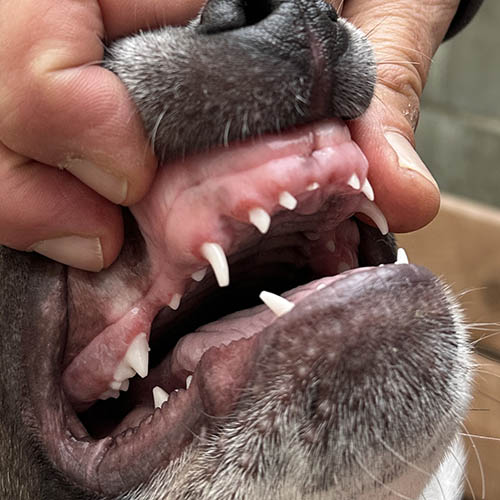
You will notice unsteady walking as coordination improves. Teeth begin to emerge, and interest in soft food may start near the end of this stage.
Social behaviors also appear. Puppies begin interacting with littermates through small play attempts, tail wags, and vocalizations.
Brief, positive exposure to gentle sounds and human handling helps build early confidence. Keep experiences calm and controlled, since your puppy still tires quickly.
Socialization Stage
Age range: 4 to 12 weeks
This stage strongly shapes your Australian Shepherd’s future temperament. Aussies are intelligent and energetic, so structured exposure to people, surfaces, sounds, and safe environments matters.
Between 8 and 16 weeks, many veterinarians and trainers highlight this window as critical for learning. During this time, your puppy forms lasting impressions about what feels safe or threatening.
Focus on the following skills.
- Meeting different people in calm settings
- Positive introductions to vaccinated, stable dogs
- Exposure to household noises like vacuums and doorbells
- Gentle handling of paws, ears, and mouth
You can begin basic training, such as sit, recall, and leash introduction. Use short sessions and reward-based methods, since Australian Shepherds respond well to consistency and positive reinforcement.
Growth remains steady, and you may notice rapid increases in height and weight. Use a breed growth chart as a guide, but remember individual variation is normal.
Juvenile Development
Age range: 3 months to 12 months
Your puppy now enters a high-energy phase. Physical growth continues, though the rate may slow after six months.
Most Australian Shepherds reach their adult height between 9 and 12 months. Muscle mass and chest development continue to fill out after that, especially in males.
Behavior changes become more noticeable. You may see:
- Increased independence
- Testing of boundaries
- Strong herding instincts
- Higher stamina and exercise needs
Structured training becomes essential. Regular obedience work, mental enrichment, and controlled physical activity help channel energy productively.

Consistent routines support healthy development. Track weight monthly, provide balanced nutrition, and schedule veterinary checkups to ensure your puppy grows at a healthy pace.
Growth Milestones by Age
Your Australian Shepherd puppy grows quickly during the first year, both physically and mentally. You will notice clear changes in size, coordination, behavior, and training ability at each stage.
Birth to 8 Weeks
During the first two weeks, your puppy depends completely on their mother. Their eyes and ears stay closed at birth and usually open between 10 and 14 days.
By week three, your puppy starts to stand, wobble, and interact with littermates. Early play builds coordination and bite inhibition.
Between 4 and 8 weeks, growth speeds up. Most standard Australian Shepherd puppies weigh roughly 8–12 pounds by 8 weeks, though size varies by genetics and litter.
Key milestones during this stage.
- Transition from nursing to solid puppy food around 4–6 weeks
- Increased social interaction with people and littermates
- First vaccinations around 6–8 weeks
- Rapid brain development that shapes confidence and behavior
You should focus on gentle handling and positive human contact. Early social exposure during these weeks strongly influences how your puppy responds to new environments later.
2 to 4 Months
This stage brings steady weight gain and noticeable height increases. Many Aussie puppies gain 1–2 pounds per week, depending on their starting size.
Your puppy becomes more coordinated and energetic. Expect frequent bursts of activity followed by deep sleep.
Teething usually begins around 12 to 16 weeks. You may notice chewing on furniture, shoes, or hands. Provide durable chew toys and redirect unwanted behavior calmly.
Important developments include:
- Completion of core puppy vaccinations
- Beginning structured training sessions
- Strong socialization window that closes around 16 weeks
- Early herding instincts, such as chasing or nipping
Use short, positive training sessions to teach basic commands like sit, stay, come, and leash walking. This is the best time to expose your puppy to different sounds, surfaces, and safe social situations.
4 to 6 Months
Your Australian Shepherd now looks more like a small adult than a baby. Growth continues, but the rate may slow slightly compared to earlier months.
Most standard Aussies weigh between 25 and 40 pounds by six months, though individual size varies.
You will likely see:
- Improved muscle tone
- More endurance during play
- Increased independence
- Ongoing teething until about 6 months
This stage often brings testing behavior. Your puppy may ignore commands they previously followed.
Stay consistent with training and routines. Reinforce boundaries clearly and reward calm behavior.
Schedule regular veterinary checkups during this period. Many vets recommend developmental visits at key ages such as 2, 4, and 6 months to monitor weight, body condition, and overall health.
6 to 12 Months
Between six and twelve months, your Australian Shepherd approaches adult height. Most Aussies reach their full height by around 10 to 12 months, though they may continue filling out until 12 to 18 months.
Weight gain slows, but muscle development increases with proper exercise. Avoid excessive high-impact activity while joints continue maturing.
During this phase, you may notice:
- Stronger herding drive
- Increased mental stamina
- Possible adolescent stubbornness
- Greater need for structured activity
Continue feeding a high-quality puppy formula until about 12 months, unless your veterinarian advises otherwise.
Consistent training and daily mental challenges help prevent problem behaviors. By the end of this stage, your puppy should show clear adult structure, improved impulse control, and stronger focus during tasks.
Physical Development in Australian Shepherd Puppies
Your Australian Shepherd puppy changes quickly during the first year, especially in size, coat texture, and coordination. Tracking these physical shifts helps you spot healthy growth patterns and adjust feeding, grooming, and exercise routines as needed.
Typical Height and Weight Progression
Australian Shepherd puppies grow rapidly during the first six months. Most reach about 50–60% of their adult weight by 4 months and close to their full height by 10–12 months.
Adult size depends on sex and genetics:
| Sex | Height (adult) | Weight (adult) |
|---|---|---|
| Male | 20–23 inches | 50–65 pounds |
| Female | 18–21 inches | 40–55 pounds |
At 8 weeks, many puppies weigh between 10 and 15 pounds. By 6 months, they often range from 30–45 pounds, though individual variation is normal.
Growth slows after 9–12 months, but your puppy may continue filling out in muscle until 18 months. Use a monthly weight check to confirm steady progress rather than focusing on exact numbers.
Coat Changes and Color Patterns
Your puppy’s coat shifts noticeably in the first year. Australian Shepherds have a double coat, with a soft undercoat and a weather-resistant outer coat.
Puppies start with a softer, fluffier texture. Around 4–6 months, the adult coat begins replacing it. You may notice increased shedding during this transition.
Common color patterns include:
- Blue merle
- Red merle
- Black (with or without white or copper trim)
- Red (with or without white or copper trim)
Merle patterns often become more defined with age. White markings typically stay consistent, but copper points can deepen in color as your puppy matures.
Regular brushing, at least 2–3 times per week, helps manage coat changes and keeps the skin healthy.
Development of Motor Skills
Your Australian Shepherd develops coordination quickly. At 8 weeks, your puppy may appear clumsy, with short bursts of energy followed by frequent naps.
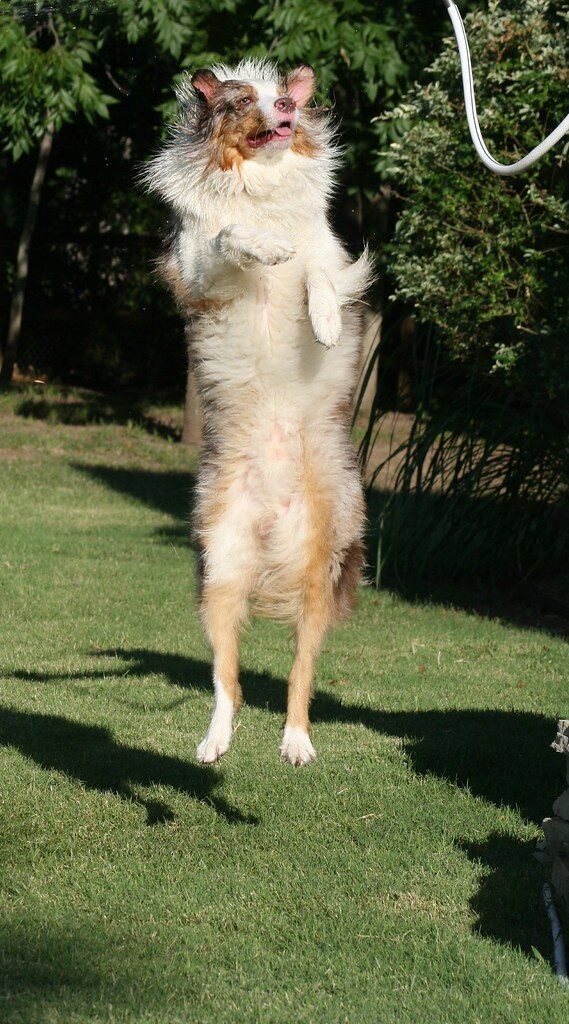
Between 3 and 4 months, balance and reaction speed improve. You’ll see smoother running, sharper turns, and more controlled jumping.
By 6 months, many Aussies show strong agility potential. They can:
- Change direction quickly
- Navigate obstacles
- Learn complex movement cues
Growth plates remain open until around 12 – 16 months, so avoid repetitive high-impact activities like long-distance running or high jumps. Controlled play, short training sessions, and supervised exploration build strength without stressing developing joints.
Factors Influencing Growth
Your Australian Shepherd’s size and development depend on inherited traits, daily nutrition, and how you manage activity levels. When you control these areas carefully, you support steady bone growth, strong muscles, and a healthy adult weight.
Genetics and Lineage
Genetics set the baseline for how big your puppy will get. A standard Australian Shepherd typically reaches 18–23 inches tall and 40–65 pounds, but bloodlines can shift that range slightly.
If your puppy’s parents fall on the smaller end of the breed standard, you can expect a similar outcome. Larger-framed parents often produce heavier or taller offspring. Breeders who follow kennel club standards aim for balanced proportions rather than extreme size.

Lineage also affects growth rate. Some Aussies reach most of their height by 10–12 months but continue filling out until 18–24 months, especially males. Muscle development often continues after height growth slows.
You cannot change genetics, but you can ask for the following information.
- Parent weight and height
- Health testing records
- Growth patterns of previous litters
These details help you form realistic expectations.
Nutrition and Feeding
Nutrition directly shapes bone density, muscle growth, and body condition. Feed a high-quality puppy formula labeled for medium to large breeds during the first year.
Large-breed puppy foods control calcium and phosphorus levels. This balance reduces the risk of joint stress and developmental orthopedic issues caused by overly rapid growth.
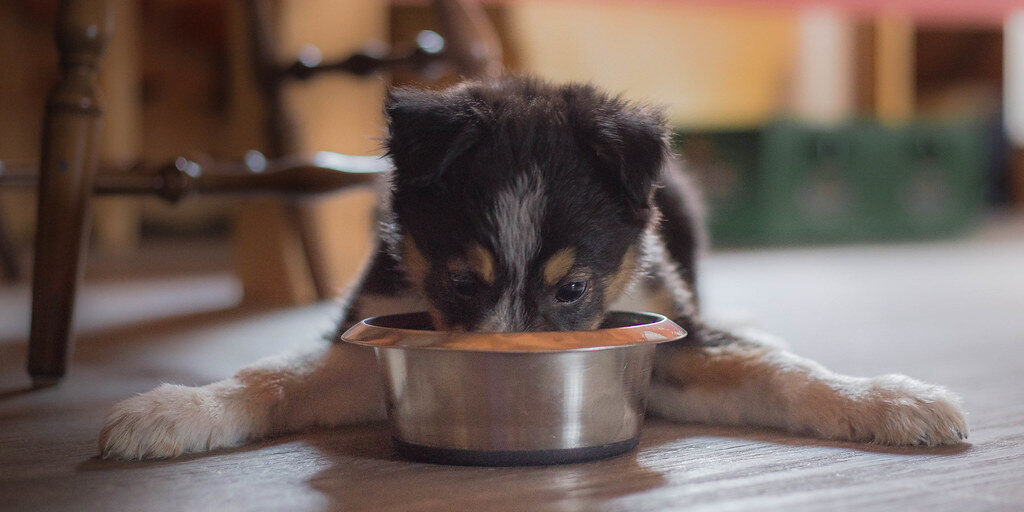
Follow feeding guidelines based on your puppy’s current weight, not their expected adult size. Adjust portions every few weeks as they grow.
Pay attention to body condition:
- You should feel their ribs easily without pressing hard.
- Your puppy should have a visible waist from above.
- The abdomen should tuck upward from the side.
Avoid free-feeding. Scheduled meals help prevent overeating and excess weight gain, which strains growing joints.
Exercise and Activity
Australian Shepherds are active, but structured exercise must match their age. Too much impact too early can stress developing growth plates.
For young puppies, focus on:
- Short play sessions
- Controlled leash walks
- Basic training and mental games
Avoid repetitive high-impact activities such as long-distance running, frequent jumping, or intense agility work for 12–18 months.
As your puppy matures, gradually increase duration and intensity. Mental stimulation also supports healthy development by reducing stress and destructive behaviors.
Balanced activity builds strong muscles that support joints without overwhelming a growing frame.
Common Growth Concerns
Australian Shepherd puppies grow quickly during their first year, which makes weight balance and joint protection especially important. Paying close attention to body condition and activity levels helps you prevent long-term health problems.
Underweight or Overweight Puppies
You should monitor your puppy’s weight alongside their age and overall body condition, not just the number on the scale. Growth charts for standard Australian Shepherds offer averages, but natural variation is normal.
An underweight puppy may have:
- Visible ribs, spine, and hip bones
- Low energy or poor muscle tone
- Slow or stalled weight gain over several weeks
Causes often include underfeeding, intestinal parasites, or illness. If your puppy is not steadily gaining weight during the first 6–8 months, schedule a veterinary exam.
An overweight puppy is more common and often harder to spot. You should be able to feel the ribs without pressing hard, and your puppy should have a visible waist from above. Excess weight during growth increases the risk of joint stress and developmental orthopedic issues.
Feed a high-quality large- or medium-breed puppy formula and measure portions carefully. Avoid frequent high-calorie treats and table scraps.
Growth Plate Injuries
Australian Shepherds are active and athletic, but their bones do not fully mature until around 12–18 months. During this time, soft areas of cartilage called growth plates remain vulnerable to injury.
Growth plates sit near the ends of long bones in the legs. If damaged, they can close too early or grow unevenly, which may lead to limb deformities or chronic lameness.
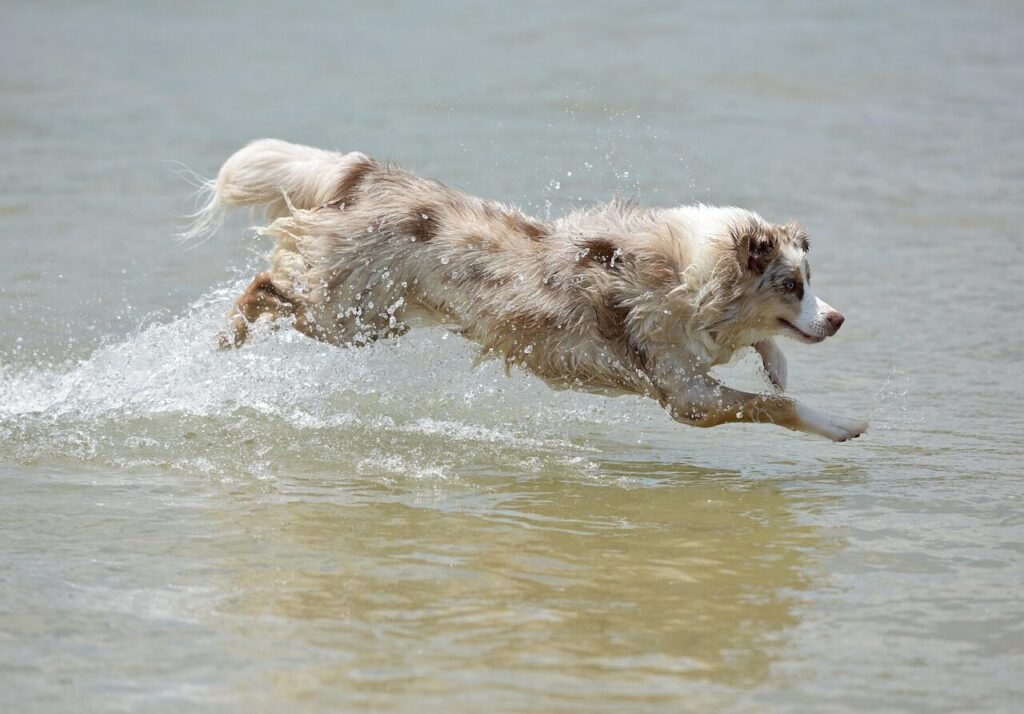
Common causes –
- Repetitive high-impact jumping
- Long runs on hard surfaces
- Rough play with larger dogs
- Falls from furniture or stairs
Watch for limping, swelling near joints, or reluctance to bear weight. Even mild, persistent limping deserves prompt veterinary evaluation.
Limit forced exercise during rapid growth phases. Choose controlled walks, basic training, and short play sessions instead of repetitive high-impact activities.
Tips for Supporting Healthy Puppy Development
You shape your Australian Shepherd puppy’s growth every day through nutrition, preventive care, and early experiences. Consistent routines in these areas help support steady physical growth, stable behavior, and long-term health.
Appropriate Diet Choices
Feed your puppy a high-quality puppy formula designed for medium to large breeds. Australian Shepherd puppies grow quickly, and they need balanced levels of protein, fat, calcium, and phosphorus to support muscle and bone development.
Look for foods where a named animal protein, such as chicken, lamb, or fish, appears as the first ingredient. Avoid formulas with vague terms like “meat by-products” listed at the top.
Key nutrients to check on the label.
| Nutrient | Why It Matters |
|---|---|
| Protein | Supports muscle growth and tissue repair |
| Fat | Provides energy for active puppies |
| DHA | Aids brain and vision development |
| Calcium & Phosphorus | Promote proper bone growth |
Feed measured meals two to three times per day rather than free-feeding. This helps prevent overeating and supports steady growth.
Monitor your puppy’s body condition. You should feel the ribs easily without seeing them sharply defined.
Regular Vet Checkups
Schedule vet visits every 3–4 weeks during the early months, starting around 8 weeks of age. These appointments cover core vaccinations, deworming, and growth tracking.
Your vet will monitor weight, body condition, and developmental milestones. Early detection of joint issues, parasites, or nutritional imbalances makes treatment easier and more effective.
Stay on schedule and make regular checks of the following.
- Core vaccines (such as distemper and parvovirus)
- Fecal exams for parasites
- Heartworm prevention
- Flea and tick control
Discuss spay or neuter timing with your vet. For active breeds like Australian Shepherds, timing can influence joint development.
Keep written records of weight and medical care. Clear documentation helps you and your vet track patterns over time.
Safe Socialization Practices
Begin socialization early, ideally between 8 and 16 weeks. This period strongly influences how your puppy responds to new people, animals, and environments.
Expose your puppy to different surfaces, sounds, and controlled interactions. Keep experiences positive and brief.
- Calm introductions to vaccinated dogs
- Gentle handling by different people
- Short car rides
- Visits to safe public spaces
Avoid dog parks until vaccinations are complete. Controlled puppy classes offer a safer way to build confidence and basic manners.
Watch your puppy’s body language. If you notice fear or stress, increase distance and slow the exposure.
Consistent, positive experiences help your Australian Shepherd grow into a stable and adaptable adult dog.
When Does an Australian Shepherd Puppy Stop Growing?
Most Australian Shepherds reach their full height before their first birthday, but they continue filling out after that. Physical growth, muscle development, and mental maturity all follow slightly different timelines.
Transition to Adulthood
Your Australian Shepherd will usually reach full height between 10 and 12 months of age. After that point, you may not notice much change in leg length or overall frame.
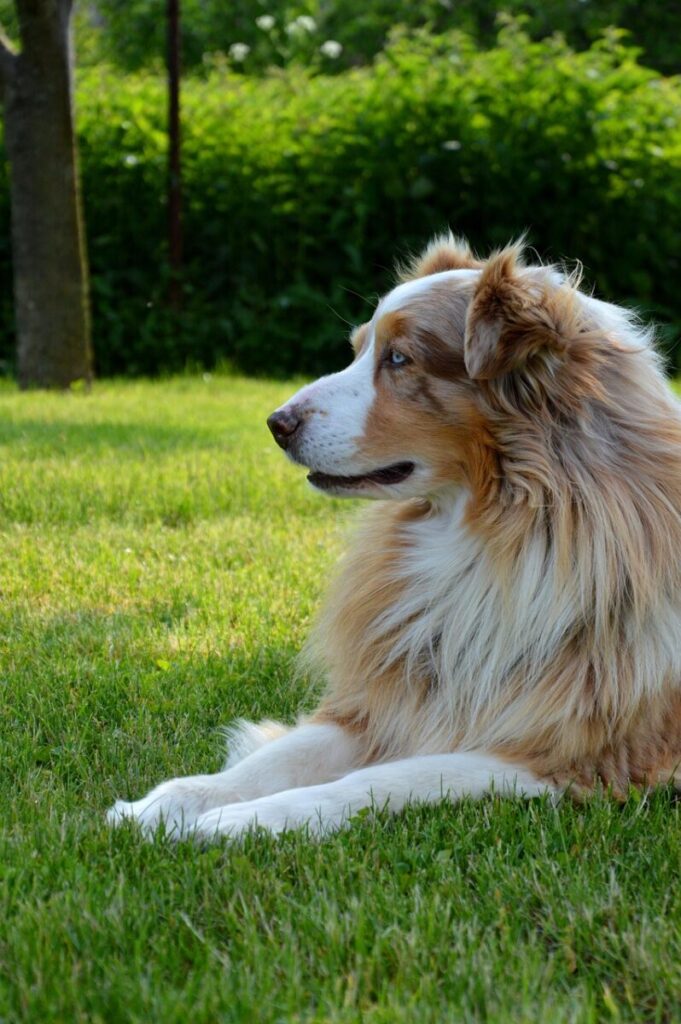
However, weight and muscle mass continue to develop. Many females finish filling out around 18 to 24 months, while males may continue adding weight and muscle until 2 to 3 years old. This slower weight gain is normal and reflects their medium-to-large build.
You can typically transition from puppy food to adult food around 9 to 12 months, depending on your dog’s size and body condition. Large growth spurts usually slow down by this stage, but steady development continues.
Keep exercise moderate until growth plates close, which often happens between 12 and 18 months. Avoid repetitive high-impact activities like long runs or frequent jumping during this period.
Signs of Maturity
You can often tell your Australian Shepherd has stopped growing when their height remains consistent for several months. Their paws will look proportional to their legs rather than oversized.
Muscle tone becomes more defined, especially in the shoulders and hindquarters. Their chest broadens, and their overall build appears balanced rather than lanky.
Behavior also shifts. Watch for the following.
- Better impulse control
- Longer attention span
- Less chaotic puppy energy
- More consistent responses to training
Mental maturity often trails behind physical growth. Even if your dog looks fully grown at one year, expect emotional and behavioral maturity to continue developing into the second year.
Final Thoughts on the Growth of An Australian Shepherd Puppy
Your Australian Shepherd puppy will change quickly in the first year. You will see steady gains in height and weight, bursts of energy, and clear mental growth. Each stage brings new needs and new skills.
Most Aussies reach close to their adult height by around 10–12 months, but they often continue to fill out until 18 months or longer. Growth plates typically close during this period, which makes balanced exercise and proper nutrition important. Avoid pushing intense physical activity too early.
Keep these priorities in mind as your puppy grows:
- Track weight and height using a reliable growth chart
- Feed a balanced diet designed for medium to large breed puppies
- Schedule regular vet visits to monitor development
- Focus on training and socialization during the first year
Remember that growth charts show averages, not guarantees. Your puppy may grow faster or slower than the standard range and still be healthy.
Stay consistent with structure, positive training, and daily activity. With steady guidance and attention to your puppy’s physical and mental needs, you help your Australian Shepherd grow into a balanced, capable adult dog.
Frequently Asked Questions about the Growth of An Australian Shepherd Puppy
Australian Shepherd puppies grow quickly in their first year, with steady gains in weight and height each month. Tracking those changes helps you spot normal development, expected milestones, and potential health concerns early.
What is the typical growth rate for an Australian Shepherd puppy?
Your Australian Shepherd puppy will grow fastest during the first six months. Most standard Aussies gain several pounds per month early on, with noticeable increases in height by 4 to 6 months.
Growth usually slows after 6 months but continues steadily until about 12 months. Some dogs keep filling out in muscle and chest width until 18 months.
Mini Australian Shepherds follow a similar pattern but at a smaller scale. They reach most of their adult height earlier than standard Aussies.
How do you use a growth chart to track the development of an Australian Shepherd?
You can use a growth chart as a general guide, not a strict rulebook. Weigh your puppy monthly and measure shoulder height to compare with average breed ranges.
Look for steady progress rather than exact matches to the chart. Small differences are normal, since each puppy grows at a slightly different pace.
If your puppy’s weight drops, stalls for long periods, or jumps far outside expected ranges, contact your veterinarian.
At what age is an Australian Shepherd considered fully grown?
Most standard Australian Shepherds reach their full height by 12 months. They often continue to gain muscle and fill out until 15 to 18 months.
Mini Australian Shepherds typically reach adult height closer to 10 to 12 months. Mental maturity may take longer than physical growth.
Even after your dog reaches full size, you should continue balanced nutrition and regular exercise to support healthy body condition.
What are the expected milestones in the growth of a mini Australian Shepherd?
By 8 weeks, your mini Aussie should be weaned and ready to transition fully to puppy food. Early socialization and basic training usually begin at this stage.
Between 3 and 6 months, you’ll notice rapid growth and higher energy levels. Teething often peaks during this window.
By 10 to 12 months, most mini Australian Shepherds reach their adult height. After that, growth shifts from height to muscle development and coat maturity.
How much should an Australian Shepherd puppy weigh at various stages of development?
At 8 weeks, a standard Australian Shepherd puppy often weighs around 10 to 15 pounds, though this can vary. Males tend to weigh slightly more than females.
By 4 months of age, many standard Aussies weigh between 25 and 35 pounds. At 6 months, they may reach 35 to 45 pounds.
Adult standard Australian Shepherds commonly weigh 40 to 65 pounds, depending on sex and build. Mini Australian Shepherds usually mature between 20 and 40 pounds.
What factors can affect the growth and weight of an Australian Shepherd puppy?
Genetics plays a major role in your puppy’s final size. The size of the parents often gives you a realistic estimate of adult weight.
Nutrition also directly affects growth. Overfeeding can lead to excess weight gain, while underfeeding may slow development.
Health conditions, parasite loads, and exercise levels can influence weight and muscle tone. Regular veterinary visits help you confirm that your puppy stays on a healthy growth track.