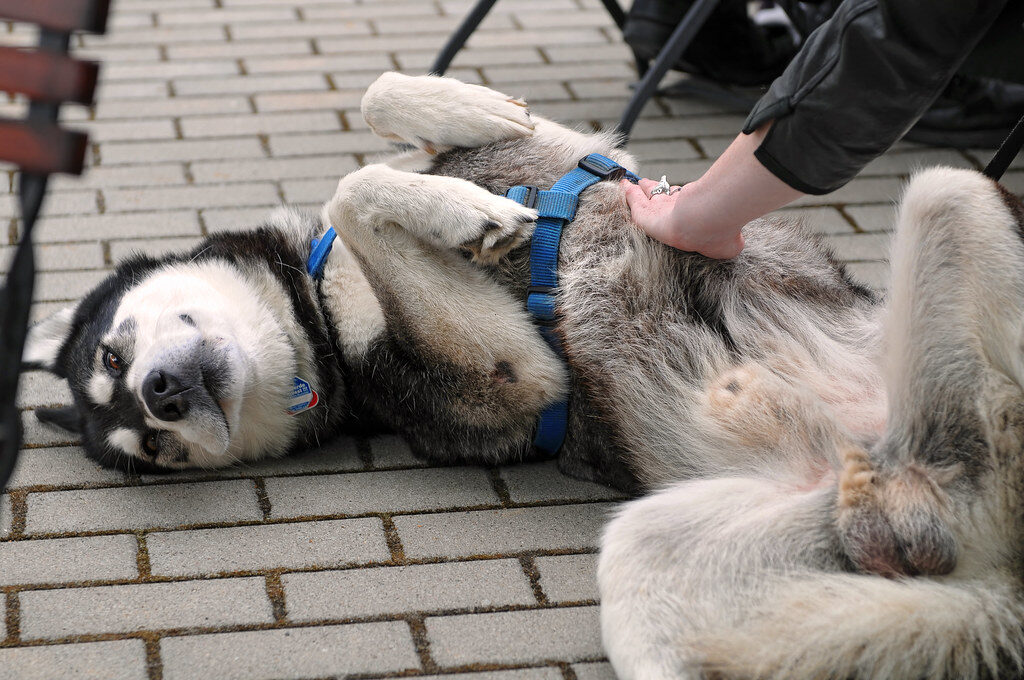
Best Dog Harness For Australian Shepherd: Top Picks For Comfort And Control
Your Australian Shepherd thrives on movement, focus, and daily activity, so you need gear that keeps up. A basic harness often falls short when your Aussie pulls, pivots, or sprints without warning. The right choice gives you better control while keeping your dog comfortable on long walks and outdoor adventures.

The best dog harness for Australian Shepherd dogs offers a secure, adjustable fit with durable materials and a no-pull design that gives you control without restricting movement. Strong stitching, reinforced attachment points, and breathable fabric help you manage energy safely while protecting your dog’s shoulders and chest. Reflective details and sturdy buckles add extra peace of mind.
When you choose a harness built for an active, medium-sized working breed, you make training easier and daily walks smoother. Keep going to see which features matter most and how to find the right fit for your dog’s body and lifestyle.
Key Takeaways
- Choose a durable, adjustable harness designed for active medium-sized dogs.
- Focus on fit, comfort, and control features to manage pulling safely.
- Measure carefully and adjust properly to support training and daily use.
Why Australian Shepherds Need a Special Harness
Australian Shepherds combine strength, speed, and sharp instincts in one compact, muscular body. You need a harness that matches their build, manages their drive to move, and keeps them secure when distractions hit.
Unique Physical Traits
Australian Shepherds are medium-sized dogs, but they pack a lot of muscle into a lean frame. Most adults weigh between 40 and 65 pounds, with deep chests and strong shoulders that generate serious pulling power.
A standard, lightly padded harness often shifts on their body or rubs behind the front legs. You want:
- Multiple adjustment points for a close, custom fit
- Chest and back padding to protect muscles and joints
- Wide straps that distribute pressure evenly
Their thick double coat adds another factor. Narrow or rough straps can mat fur or cause friction, especially during long hikes or training sessions.
A good harness should sit snugly without restricting shoulder movement. If it limits their natural stride, you risk discomfort and long-term joint strain.
Common Behavioral Considerations
Australian Shepherds are highly intelligent and intensely driven. When you head outside, your dog does not just stroll — they scan, react, and anticipate movement.
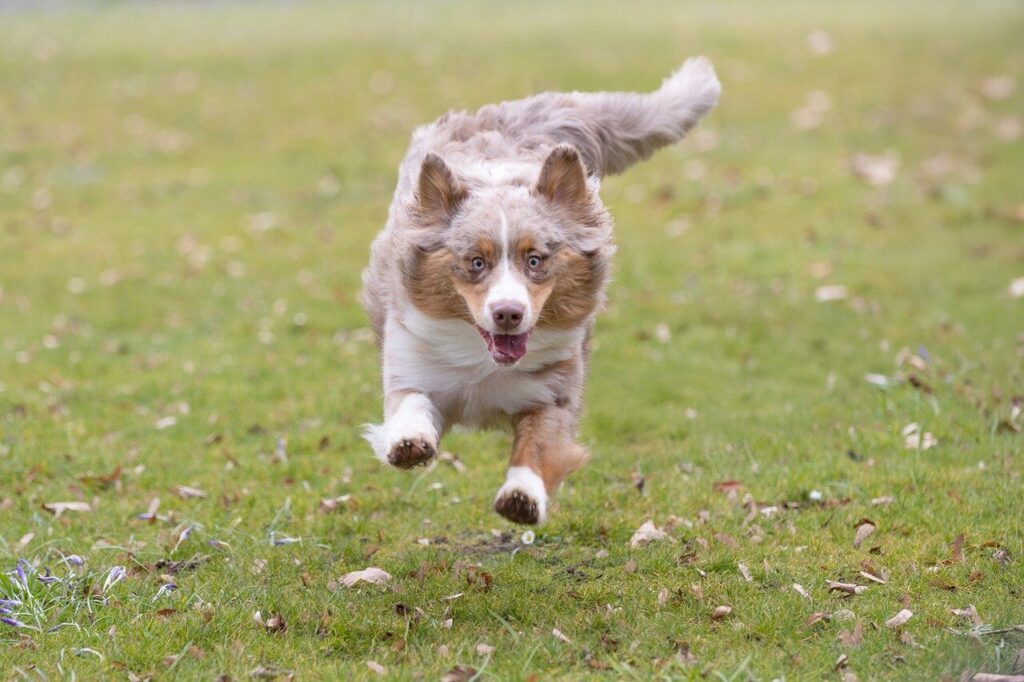
You may notice:
- Quick lunges toward squirrels or other dogs
- Sudden direction changes
- High energy during even short walks
A flimsy harness cannot handle that kind of responsiveness. You need durable stitching, strong hardware, and reinforced attachment points.
Because Aussies thrive on training, many owners use walks as structured practice time. A harness with both front and back leash clips gives you flexibility. You can use the front clip to guide focus and the back clip for relaxed walking once your dog settles.
Control matters, but so does comfort. If your harness irritates, your dog may resist putting it on, which complicates daily routines.
Preventing Pulling and Escapes
Australian Shepherds can slip out of poorly fitted gear faster than many owners expect. Their flexible bodies and thick coats make it easier to back out of loose neck openings.
- Snug neck openings that still allow easy on and off
- Secure buckles with locking mechanisms
- A properly positioned chest strap that prevents twisting
Pulling is another common issue, especially in young or under-stimulated dogs. A no-pull design with a front attachment point redirects forward momentum without choking the throat.
Avoid harnesses that sit too low across the shoulders. Poor placement can interfere with gait and create pressure on sensitive areas.
When the harness fits correctly, you gain steady control without causing pain. Your dog stays secure, and your walks feel more predictable and manageable.

Top Features to Look for in the Best Dog Harness for Australian Shepherd
You need a harness that can handle strength, speed, and daily activity without sacrificing comfort. Focus on tough materials, secure hardware, proper fit, and leash attachment points that give you real control.
Durability and Material Quality
Your Australian Shepherd can lunge hard and move fast, so flimsy materials will not hold up. Choose harnesses made from heavy-duty nylon or polyester webbing with reinforced stitching at stress points.
Look closely at the hardware. Avoid thin plastic clips that can snap under pressure. Many experts recommend buckles and D-rings rated for at least 100 pounds of force, especially for strong, athletic breeds.
Quality details matter:
- Steel or aluminum leash rings
- Reinforced box stitching
- Tear-resistant outer fabric
- Water-resistant or quick-drying material
If you hike, run, or train outdoors, durable fabric prevents fraying and sagging over time. A well-built harness keeps its shape and maintains control even after repeated use.
Comfort and Padding
An active dog will wear the harness often, so comfort directly affects behavior on walks. Poor padding can cause rubbing under the front legs and across the chest.
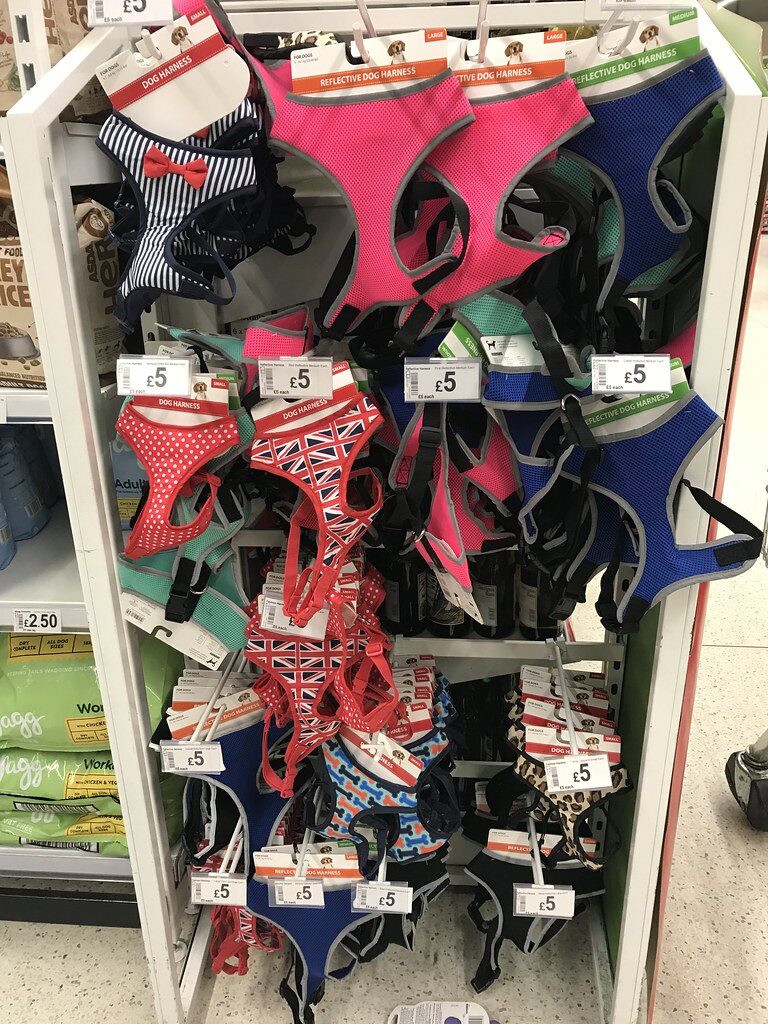
Choose harnesses with padded chest and belly panels. Breathable mesh lining helps prevent overheating, especially in warm weather or during long training sessions.
Pay attention to pressure distribution. A good harness spreads force across the chest instead of concentrating it on the throat or a narrow strap. This reduces strain when your dog pulls suddenly.
Soft interior edges also prevent chafing in high-movement areas like the armpits. When your dog moves freely without irritation, you get better focus and smoother walks.
Adjustability and Fit
Australian Shepherds vary in build. Some are lean and narrow, while others have broader chests and thicker coats.
Look for harnesses with multiple adjustment points, ideally four or more. This allows you to fine-tune the fit around the neck and chest independently.
A proper fit should:
- Sit snug without restricting movement
- Allow you to slide two fingers under the straps
- Stay in place without twisting during activity
Avoid harnesses that ride up into the throat or shift sideways when your dog turns. Secure adjustment straps and strong sliders keep the harness stable during running, agility work, or sudden direction changes.
Leash Clip Placement Options
Leash attachment points change how much control you have. For training or managing pulling, a front chest clip helps redirect forward motion.
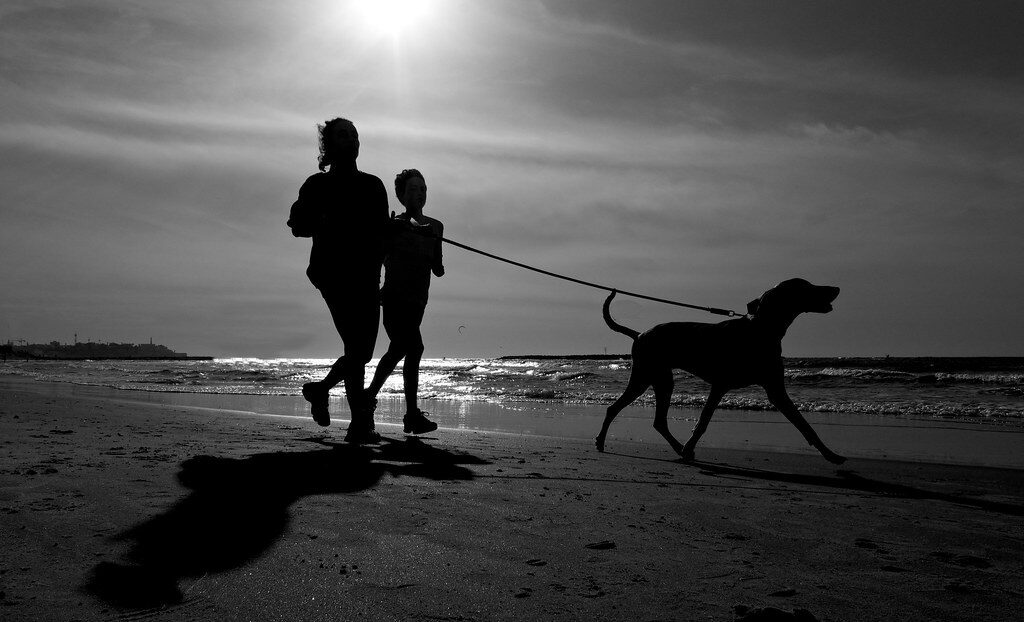
A back clip works well for relaxed walks or jogging. It reduces tangling and feels natural for dogs that already walk politely.
Many high-quality harnesses offer both options. Some also include a sturdy back handle, which helps you guide or steady your dog in crowded areas.
Choose reinforced metal D-rings rather than thin loops. Strong attachment points ensure that when your Australian Shepherd surges forward, your connection stays secure and predictable.
Types of Harnesses Suitable for Australian Shepherds
Australian Shepherds move fast, think fast, and often pull hard when something grabs their attention. You need a harness that matches their energy, strength, and training level while giving you steady control.
Front-Clip Harnesses
Front-clip harnesses place the leash attachment at your dog’s chest. When your Australian Shepherd pulls, the harness gently turns their body back toward you instead of allowing forward momentum.
This design helps you redirect pulling without using harsh corrections. It works well for young Aussies or adults who get distracted by movement, other dogs, or wildlife.
Look for:
- A sturdy chest D-ring that sits centered and flat
- Adjustable straps at the neck and chest for a snug fit
- Padding along the breastplate to prevent rubbing
Australian Shepherds have deep chests and strong shoulders. A poorly fitted front-clip harness can shift sideways during walks, so proper adjustment matters.
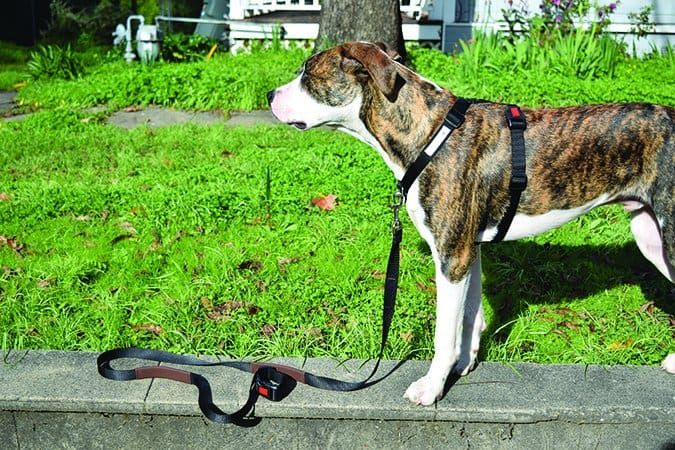
Front-clip styles suit training sessions and structured walks. They may not be ideal for long runs, since constant redirection can interrupt your dog’s stride.
Back-Clip Harnesses
Back-clip harnesses attach the leash at the top of your dog’s back. They offer a simple setup and feel less restrictive for confident, leash-trained Australian Shepherds.
This style allows natural shoulder movement, which helps during jogging, hiking, or casual neighborhood walks. Active Aussies often prefer the freedom of movement a back-clip design provides.
Focus on features such as:
- Breathable mesh or padded lining for comfort
- Wide chest panels to distribute pressure evenly
- Reflective stitching or trim for visibility
Back-clip harnesses do not discourage pulling. If your Aussie lunges or pulls hard, you may feel more force through the leash compared to front-clip designs.
Choose this type when your dog already walks politely or when you need a comfortable option for everyday activity rather than behavior correction.
No-Pull Harnesses
No-pull harnesses use either a front clip, a dual-clip system, or specific strap placement to reduce pulling. Many combine chest and back attachment points so you can switch based on your training goals.
For strong and energetic breeds like Australian Shepherds, no-pull designs offer added control without putting pressure on the throat. That makes them safer than traditional collars for dogs that surge forward.
Key elements to check:
- Dual leash attachments for flexible handling
- Reinforced stitching and durable materials for strength
- Multiple adjustment points to prevent slipping
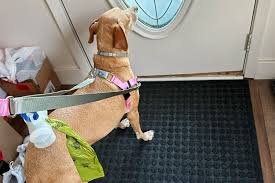
Some no-pull harnesses tighten slightly when your dog pulls. Make sure the tightening action does not pinch or restrict shoulder movement.
Used correctly, a well-fitted no-pull harness supports training while keeping your Australian Shepherd comfortable and secure.
Sizing and Measuring Your Australian Shepherd
Accurate measurements make the difference between a secure harness and one that rubs, shifts, or slips off. You need to measure both your dog and compare those numbers carefully against the brand’s size chart.
How to Measure for a Harness
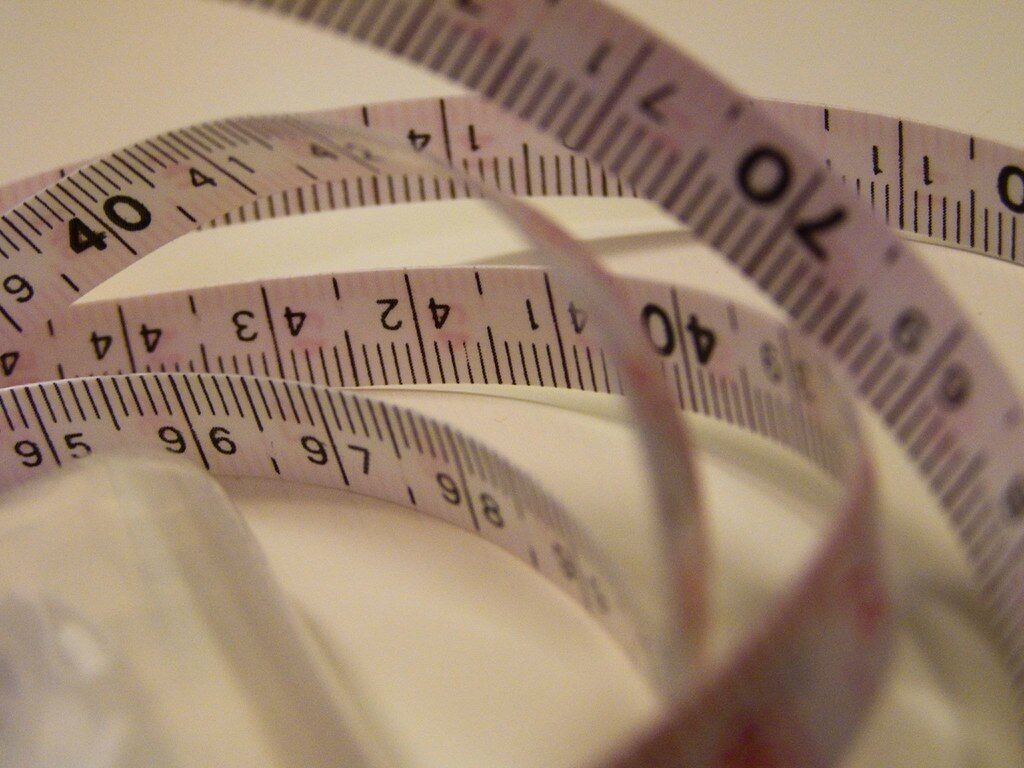
Use a soft measuring tape and have your Australian Shepherd stand naturally on all four paws. Avoid measuring while your dog is sitting or twisting, since that can change the numbers.
Focus on two key areas:
- Chest girth: Wrap the tape around the widest part of the rib cage, just behind the front legs. This is the most important measurement for most harnesses.
- Neck girth: Measure around the base of the neck where a collar would sit, not higher up near the head.
Pull the tape snug but not tight. You should be able to slide one finger under it.
Write the numbers down in inches or centimeters. If your Aussie falls between sizes, check whether the harness has multiple adjustment points along the chest and belly straps before deciding.
Understanding Size Charts
Do not assume your Australian Shepherd will wear a “medium.” Sizes vary widely between brands.
Most adult Australian Shepherds fit harnesses designed for medium-sized dogs, but chest girth can differ based on build, weight, and coat thickness. Always match your dog’s actual measurements to the brand’s chart instead of relying on breed averages.
When reviewing a size chart:
- Confirm the chest range first.
- Check the neck range next.
- Review the product description for notes about fit, such as “athletic build” or “broad chest.”
If your dog measures at the top of a size range, consider sizing up only if the next size still adjusts down far enough to fit securely. Proper adjustment reduces rubbing, limits escape risk, and keeps the harness stable during walks or runs.
Best Dog Harness for Australian Shepherds: Top Picks
You need a harness that handles strength, speed, and sharp turns without rubbing or slipping. The right design gives you better control, protects your dog’s joints, and stands up to daily use.
Best Overall Pick
Ruffwear Front Range Harness
You get balanced control, durability, and comfort in one design. This harness uses reinforced webbing and strong buckles that hold up against pulling, which matters for a powerful Australian Shepherd.
The padded chest and belly panels reduce pressure on the neck and shoulders. Two leash attachment points give you options:
- Front clip for reducing pulling
- Back clip for relaxed walks and hikes
Reflective trim improves visibility in low light. The four adjustment points help you fine-tune the fit around your dog’s deep chest and narrow waist, which is common in the breed.
It works well for daily walks, basic training, and weekend trail use without feeling bulky.
Best for Puppies
Voyager Step-In Air Harness
If you have an Aussie puppy, you want something lightweight and simple. A soft, breathable mesh harness prevents overheating and avoids strain on a developing neck.
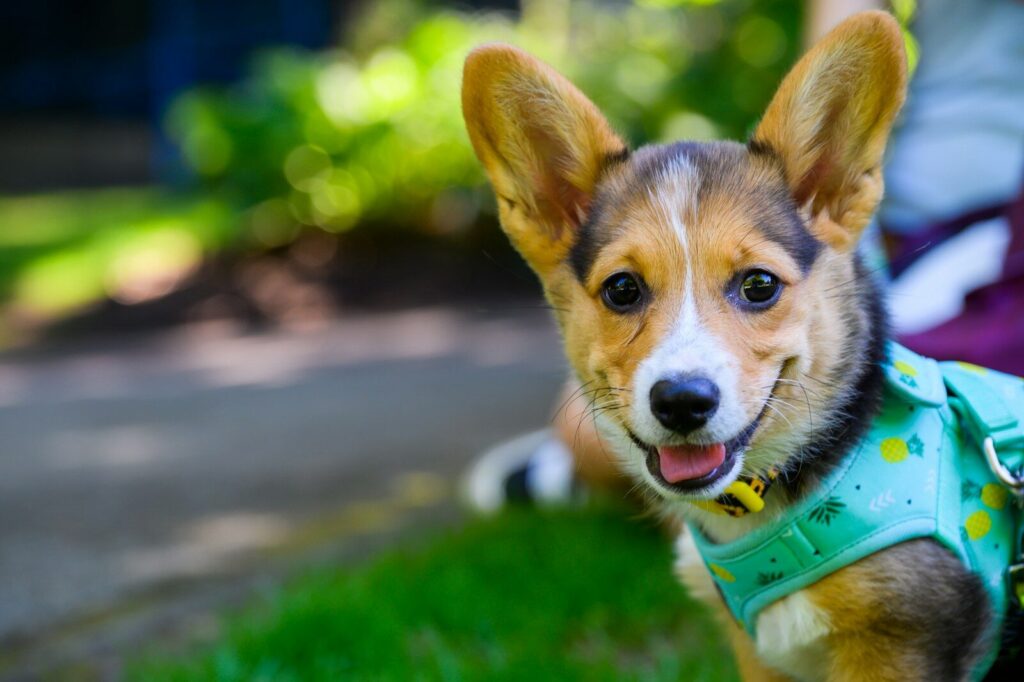
The step-in design makes it easier to gear up a wiggly pup. You secure it with a hook-and-loop closure plus a buckle and double D-rings for added security.
Look for:
- Adjustable sizing to allow growth
- Secure stitching around stress points
- A snug but not tight fit
This style works best for short walks and early leash training. As your puppy grows stronger, you may need a more structured harness with reinforced materials.
Best for Active Dogs
Rabbitgoo No-Pull Tactical Harness
An adult Australian Shepherd can lunge hard, especially when excited. You need heavy-duty materials and strong hardware, not thin plastic buckles.
This harness uses reinforced stitching, sturdy buckles, and thick straps built for medium to large dogs. The front clip helps manage pulling during training, while the padded handle on the back gives you quick control in busy areas.
Breathable padding keeps your dog comfortable during long hikes or agility practice. Multiple adjustment points create a secure fit that prevents twisting during fast movement.
For high-energy dogs that run, hike, or train often, this style offers structure and control without restricting shoulder motion.
How to Properly Fit and Adjust a Harness
A properly fitted harness gives you better control and keeps your Australian Shepherd comfortable on walks. Accurate measurements and careful adjustments prevent rubbing, slipping, and restricted movement.
Step-by-Step Fitting Guide
Start by measuring your dog’s girth, which is the widest part of the chest just behind the front legs. Use a soft tape measure and keep it snug but not tight. If your Australian Shepherd falls between sizes, choose the larger size and adjust the straps down.
Loosen all straps before putting the harness on. For an over-the-head style, slide it over your dog’s head first, then secure the chest straps. For a step-in harness, place each front paw in the correct loop before fastening the buckles.
Once secured, adjust the straps evenly on both sides. You should be able to fit two fingers between the harness and your dog’s body. Make sure the chest plate sits centered and does not press against the throat.
Check that the back clip rests along the upper back, not too close to the neck or too far down the spine.
Checking for Comfort and Safety
Run your hands along each strap to confirm that nothing twists or digs into the skin. Pay close attention to the area behind the front legs, since friction here often causes chafing.
Watch your dog move. Your Australian Shepherd should walk, sit, and lie down without the harness shifting or tightening. If the front strap rides up into the throat when your dog pulls, readjust or consider a different style.
Look for these signs of poor fit:
- Redness or hair loss under straps
- Harness sliding sideways during walks
- Front chest strap is pressing into the neck
- Back panel rotating or lifting
Recheck the fit every few weeks, especially for young or highly active dogs. Weight changes and coat thickness can affect how the harness sits.
Training Tips for Harness Use with Australian Shepherds
You get better results with your Australian Shepherd when you pair the right harness with clear training and consistent rewards. Focus on building positive associations and teaching loose-leash skills from the start.
Positive Reinforcement Techniques
Start by introducing the harness in a calm setting. Let your Aussie sniff it, then reward with a small, high-value treat the moment they show interest without backing away.
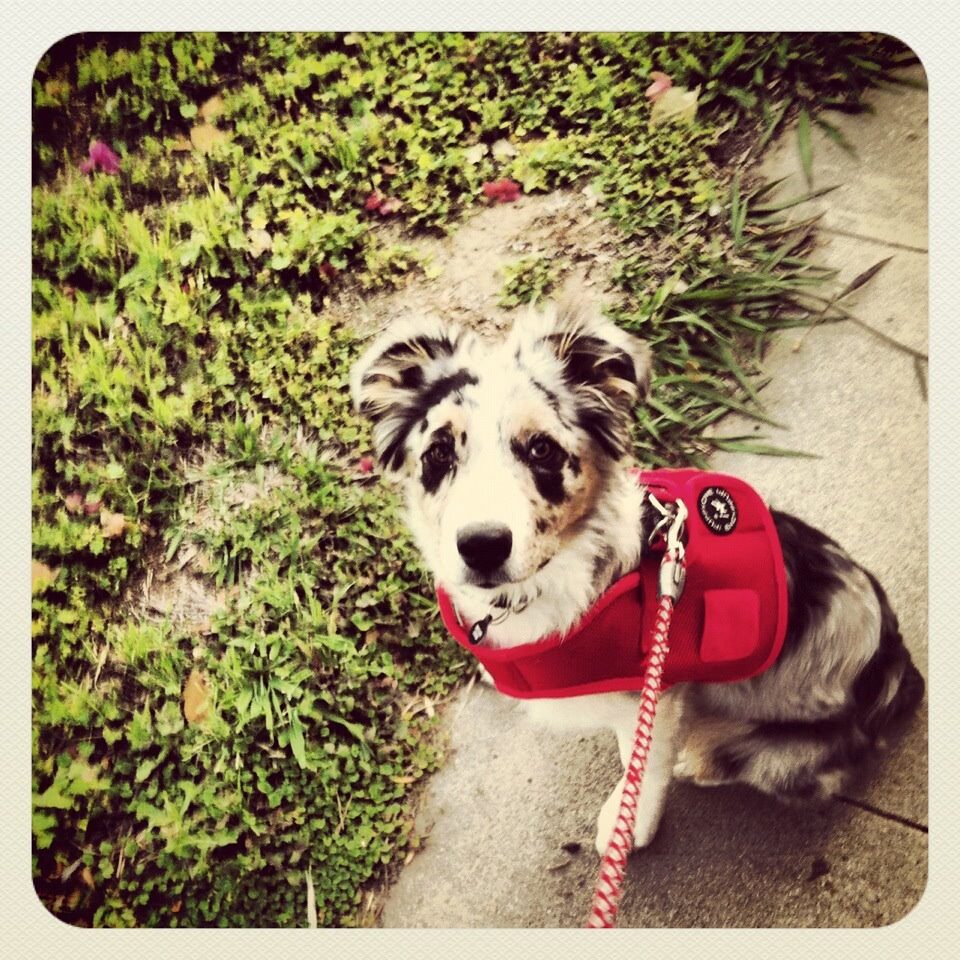
Clip the harness on briefly, reward, and remove it. Repeat this process several times before going on a walk so your dog links the harness with good outcomes.
Use a simple reward system:
- Treats: Small, soft pieces your dog can eat quickly
- Praise: Clear phrases like “Yes” or “Good”
- Play: A short tug or ball toss after clipping in
Australian Shepherds respond well to mental engagement. Ask for a quick “sit” or “touch” before you attach the leash, then reward immediately.
Keep sessions short, around 5–10 minutes. End on a success so your dog stays confident and eager for the next walk.
Reducing Pulling on Walks
Australian Shepherds are energetic and strong, so pulling often starts from excitement rather than defiance. Use a properly fitted harness with a front leash attachment if your dog tends to lunge forward.
When your dog pulls, stop walking. Stand still and wait for the leash to loosen, then move forward again. This teaches that tension makes the walk pause, while a loose leash keeps it going.
You can also use this simple method:
- Walk forward.
- If pulling starts, change direction calmly.
- Reward when your dog catches up and walks beside you.
Practice in low-distraction areas before heading to busy parks. Short, focused walks build better habits than long, chaotic ones.
Stay consistent every time you clip the harness on. Clear rules and steady rewards help your Aussie understand exactly what you expect.
Maintenance and Cleaning Tips for Harnesses
You put your Australian Shepherd’s harness through a lot of miles. Regular cleaning keeps it comfortable, odor-free, and safe.
Start by checking the care label. Many nylon and polyester harnesses handle machine washing on a gentle cycle, while leather or padded adventure styles usually need hand washing.
Basic cleaning steps:
- Remove loose dirt and hair with a brush
- Soak in warm water with mild detergent
- Scrub high-friction areas (chest strap, underarms)
- Rinse thoroughly to prevent skin irritation
- Air dry completely before the next walk
Avoid harsh chemicals or bleach. They weaken fibers and fade reflective stitching.
If your Aussie loves mud or water, wash the harness more often. Dirt buildup can stiffen fabric and cause rubbing, especially around the chest and shoulders.
Use this simple guide to decide when to clean.
| Activity Level | Cleaning Frequency |
|---|---|
| Casual walks | Every 2 – 4 weeks |
| Hiking/trails | After heavy use |
| Swimming/mud | After each outing |
Inspect the harness during cleaning. Check buckles, stitching, D-rings, and attachment points for wear.
Replace the harness if you notice fraying straps, cracked plastic, or loose metal hardware. A strong, intact harness gives you better control and keeps your dog secure on every walk.
Final Thoughts
Choosing the best dog harness for your Australian Shepherd comes down to fit, control, and comfort. You want a harness that matches your dog’s energy level and gives you steady handling on walks.
Look for features that support daily activity and training.
- Adjustable straps for a secure, custom fit
- Front and back leash clips for better control
- Durable materials that handle pulling and outdoor use
- Breathable padding to prevent rubbing
- Reflective details for visibility in low light
Your Aussie is intelligent, active, and strong. A well‑fitted harness helps you guide that energy without causing strain on the neck or shoulders.
Measure your dog’s chest and neck before buying, and check the size chart carefully. A snug but comfortable fit prevents slipping while allowing full movement.
When you choose a harness that supports training, exercise, and everyday walks, you make outings safer and more enjoyable for both of you.
Frequently Asked Questions about the Best Dog Harness for Australian Shepherd
Choosing the right and best dog harness for Australian Shepherd dogs comes down to comfort, correct sizing, durability, and the type of control you need on walks. The right setup supports your dog’s active lifestyle without restricting movement or causing strain.
What type of harness is most comfortable for an Australian Shepherd?
You should look for a padded, adjustable harness with a Y-shaped front. This design allows your Australian Shepherd’s shoulders to move freely while running or hiking.
Breathable mesh lining helps prevent overheating, especially since Aussies stay active in most weather. Wide chest and belly straps also distribute pressure evenly, which keeps your dog comfortable during longer walks.
Avoid narrow straps that dig into the chest or armpits. A good fit should feel secure without limiting natural movement.
How do I determine the correct size of a harness for my Australian Shepherd?
Start by measuring your dog’s girth, which is the widest part of the chest just behind the front legs. Then measure the lower neck if the manufacturer provides that sizing guide.
Compare those numbers to the brand’s sizing chart instead of guessing based on weight alone. Australian Shepherds vary in build, and even two dogs of the same weight can need different sizes.
When fitted properly, you should be able to slide two fingers between the harness and your dog’s body. The harness should not shift side to side or rub under the legs.
Are front clip harnesses suitable for an Australian Shepherd’s exercise needs?
Yes, especially if your Australian Shepherd tends to pull. A front-clip harness redirects your dog toward you when they lunge forward, which improves leash manners during training.
For running or long hikes, many owners prefer a harness with both front and back attachment points. You can use the front clip for training sessions and switch to the back clip for steady-paced activities.
Make sure the harness does not restrict shoulder movement. Aussies need a full range of motion for safe, natural strides.
Can you recommend a durable harness that can handle an Australian Shepherd’s energy?
Look for harnesses made from heavy-duty nylon or reinforced polyester with strong stitching and metal D-rings. Brands known for durable, reflective designs and secure buckles often hold up well under daily use.
If you hike or camp often, consider a rugged harness built for outdoor activity. Models designed for active breeds usually include padded panels and reinforced stress points.
Check the hardware regularly. Even durable harnesses need inspection when your dog pulls hard or plays rough.
Should I choose a harness or a collar for my Australian Shepherd’s daily walks?
For daily walks, a harness usually offers better control and reduces strain on your dog’s neck. Australian Shepherds are strong and energetic, and collars can place pressure on the throat if they pull.
You can still use a collar for ID tags. Many owners use both: a collar for identification and a harness for leash attachment.
If your dog already walks politely without pulling, a collar may work. For most active Aussies, a harness provides safer handling.
What are the best harness options for a Mini Australian Shepherd or an Aussiedoodle?
For a Mini Australian Shepherd, choose the same features you would for a standard Aussie—just in a properly scaled size. Accurate chest measurements matter more than the “small” label.
An Aussiedoodle may have a narrower chest or curlier coat, so adjustable straps and smooth lining help prevent matting and rubbing. Lightweight, padded harnesses with multiple adjustment points usually fit these mixes well.
Focus on fit and comfort first. Size and coat type can vary widely within both breeds.