
Financial Considerations: Cost and Funding Options for Obtaining a Service Dog
Obtaining a service dog can be a life-changing experience for individuals with disabilities. Service dogs are highly trained to assist their handlers with a variety of tasks, from alerting to medical emergencies to providing mobility assistance. However, the cost and funding options for obtaining a service dog can be a significant barrier for many individuals. In this article, we will explore the financial considerations involved in obtaining a service animal, including the costs of owning one and the funding options available to help cover them.
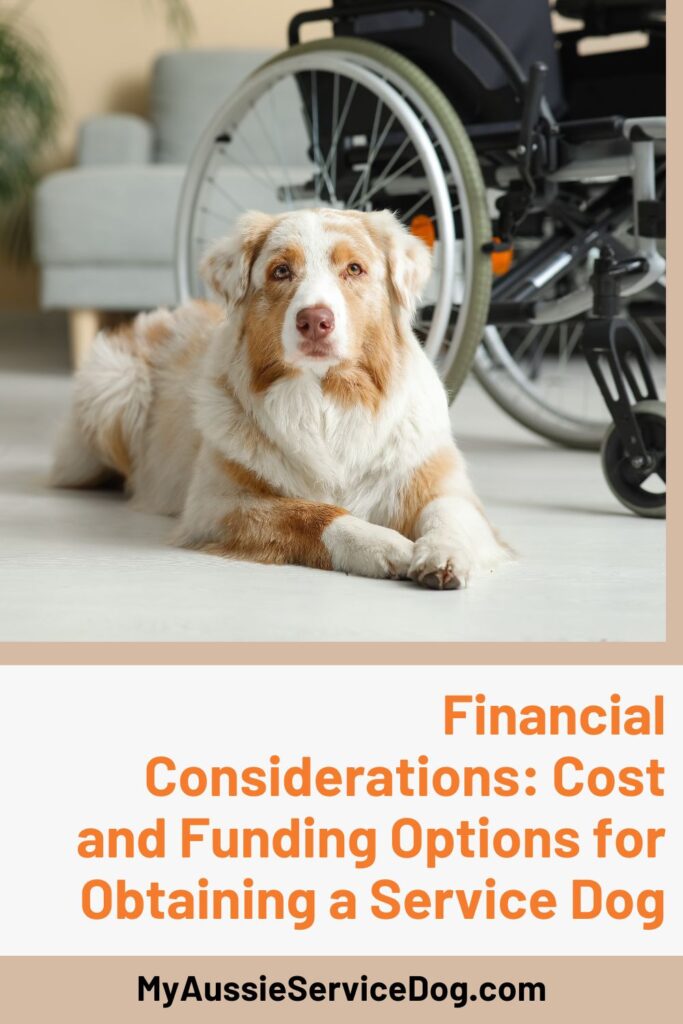
Understanding the cost and funding options for obtaining a service dog is an important first step. The average cost of obtaining a trained service dog can range from $10,000 to $50,000, depending on the level of training required. In addition to the initial cost of obtaining a service dog, there are ongoing expenses to consider, such as food, veterinary care, and equipment. It is essential to have a clear understanding of these costs before deciding to obtain a service dog.
Fortunately, there are funding options available to assist with the costs of obtaining a service dog. Nonprofit organizations, such as Assistance Dogs International and Service Dogs for America, offer grants to help individuals with disabilities obtain service dogs at little or no cost. Additionally, some insurance plans may cover the costs of obtaining a service dog. In this article, we will explore these funding options and guide how to choose the right funding option for your needs.
Key Takeaways
- Obtaining a service dog can be costly, with the average cost ranging from $10,000 to $50,000.
- There are ongoing expenses associated with owning a service dog, such as food, veterinary care, and equipment.
- Funding options are available to assist with the costs of obtaining a service dog, including nonprofit grants and insurance coverage.
Understanding Service Dogs
Definition and Purpose
Service dogs are specially trained animals that assist people with disabilities. According to the Americans with Disabilities Act (ADA), a service dog is defined as a dog that is individually trained to do work or perform tasks for a person with a disability. The tasks performed by the dog must be directly related to the person’s disability, such as guiding a person who is blind, alerting a person who is deaf, or providing stability to a person with mobility issues.
Service dogs are trained to perform a wide range of tasks, including but not limited to the following.
- Retrieving items
- Opening doors
- Turning lights on and off
- Providing balance and stability
- Alerting to sounds or changes in the environment
- Providing physical support during a seizure

Legal Rights and Protections
Under the ADA, service dogs are allowed to accompany their handlers in public places, including restaurants, stores, and public transportation. Service dogs are not considered pets and, therefore, are not subject to the same restrictions as pets. Businesses and organizations are required to allow service dogs to accompany their handlers, even if there are no pets allowed policies in place.
It is important to note that emotional support animals and therapy animals are not considered service animals under the ADA. Emotional support animals provide comfort to their owners, but they are not trained to perform specific tasks related to a disability. Therapy animals are trained to provide comfort to people in hospitals, nursing homes, and other settings, but they are not trained to perform specific tasks for individuals with disabilities.
Service dogs are specially trained animals that assist people with disabilities. They are allowed to accompany their handlers in public places under the ADA and are not considered pets. Emotional support animals and therapy animals are not considered service animals under the ADA.
Costs Associated with Service Dogs
When considering obtaining a service dog, it is important to understand the costs involved. Service dogs can be expensive due to their specialized training and ongoing care needs. The costs associated with obtaining a service dog can vary widely depending on the breed, training, and specific needs of the individual.
Initial Purchase Price
The initial purchase price of a service dog can range from $10,000 to $50,000, depending on the breed and the type of training required. According to the National Service Animal Registry, the average cost of a service dog is around $15,000 to $30,000 upfront. It is important to note that some organizations may provide financial assistance or offer payment plans to help cover the initial purchase price.
Training Costs

Training costs for a service dog can also vary widely depending on the type of training required. The nonprofit Service Dog Certifications estimates that the cost of training a service dog can range from $7,000 to $50,000, depending on the level of training needed. Some organizations may provide training for free or at a reduced cost, while others may require the individual to pay for all training costs.
Maintenance and Care Costs
In addition to the initial purchase price and training costs, service dogs require ongoing maintenance and care. This includes food, veterinary care, grooming, and equipment such as leashes and harnesses. The cost of maintenance and care can vary depending on the breed and specific needs of the individual dog. According to the American Kennel Club, the average annual cost of owning a dog is around $1,000 to $2,000, but this can be higher for service dogs due to their specialized needs.
It is important to carefully consider the costs associated with obtaining and caring for a service dog before making a decision. While the costs can be high, the benefits of having a service dog can be life-changing for individuals with disabilities.
Funding Options for Service Dogs
When it comes to obtaining a service dog, the cost can be a significant barrier for many individuals and families. However, there are various funding options available that can help make it more affordable. Here are some of the most common funding options for obtaining a service dog:
Grants and Scholarships

There are various grants and scholarships available that can help cover the costs of obtaining a service dog. These grants and scholarships are typically offered by non-profit organizations, and eligibility requirements can vary depending on the organization. Here are some examples of organizations that offer grants and scholarships for service dogs.
- The Assistance Dog United Campaign (ADUC)
- The Good Dog Foundation
- The Onyx and Breezy Foundation
Fundraising
Fundraising is another option for obtaining funding for a service dog. This can include online crowdfunding campaigns, local fundraising events, and donations from family and friends. Here are some organizations that provide fundraising support for service dogs.
- Canine Companions for Independence
- Paws With A Cause
- 4 Paws for Ability
Insurance Coverage
While insurance coverage for service dogs is not common, some insurance providers may offer coverage for service dogs if they are deemed medically necessary. This can include coverage for the costs of training, veterinary care, and other related expenses.
Non-Profit Organizations
Various non-profit organizations provide support for individuals and families who are seeking to obtain a service dog. These organizations may offer financial assistance, as well as other types of support such as training and education. Some examples of non-profit organizations that provide support for service dogs include the following.
- The National Education for Assistance Dog Services (NEADS)
- Canine Assistants
- Freedom Service Dogs of America
Obtaining a service dog can be a costly endeavor, but there are various funding options available that can help make it more affordable. By exploring these options and working with reputable organizations, individuals and families can find the funding they need to obtain a service dog and improve their quality of life.
Choosing the Right Service Dog
When it comes to choosing a service dog, there are several factors to consider. The breed and the selection of the trainer are two of the most important factors.
Dog Breeds
Many different breeds can be trained as service dogs. However, not all breeds are suitable for all types of disabilities. For example, a larger breed like a Great Dane or a Labrador Retriever may be better suited for someone who needs mobility assistance, while a smaller breed like a Chihuahua or a Pomeranian may be better suited for someone who needs emotional support.

It’s important to research the different breeds and their characteristics to determine which breed is best suited for your specific needs. It’s also important to work with a reputable breeder or rescue organization to ensure that the dog you choose has the right temperament and is healthy.
Trainer Selection
Selecting the right trainer is just as important as selecting the right breed. It’s important to work with a trainer who has experience training service dogs and who uses positive reinforcement training methods.
When selecting a trainer, it’s a good idea to ask for references and to check their credentials. You should also ask about their training methods and ensure that they align with your values and beliefs.
It’s also important to consider the cost of training. The cost of training can vary widely depending on the trainer and the type of training required. Some organizations offer financial assistance or grants to help cover the cost of training, so it’s worth researching these options as well.
Choosing the right service dog requires careful consideration and research. By taking the time to choose the right breed and trainer, you can ensure that your service dog is well-suited to your needs and is properly trained to assist you.
Long-Term Financial Planning
When considering obtaining a service dog, it is essential to have a long-term financial plan in place. A service dog is an investment that requires a significant amount of money to train, maintain, and care for over its lifetime. Here are some tips for long-term financial planning for a service dog.
Budgeting for a Service Dog
The cost of obtaining a service dog can range from $15,000 to $50,000, depending on the type of service dog and the training required. It is essential to budget for the initial cost of obtaining a service dog and the ongoing costs of caring for the dog.

One way to budget for a service dog is to save a specific amount of money each month until you have enough to cover the cost of the dog. Additionally, some organizations offer financial assistance and fundraising opportunities to help offset the cost of obtaining a service dog.
Emergency Funds
It is crucial to have an emergency fund in place when owning a service dog. Unexpected expenses can arise, such as medical bills or unexpected training costs. Having an emergency fund can help cover these expenses without causing financial hardship.
Experts recommend having at least three to six months’ worth of living expenses saved in an emergency fund. This amount can vary depending on your individual circumstances and the needs of your service dog.
Obtaining a service dog is a significant investment that requires long-term financial planning. Budgeting for the initial cost of the dog and ongoing expenses, as well as having an emergency fund in place, can help ensure that you can provide the best possible care for your service dog without causing financial hardship.
Frequently Asked Questions on Cost and Funding Options for Obtaining a Service Dog
What financial assistance is available for obtaining a service dog?
There are various financial assistance options available for obtaining a service dog. Some organizations provide financial aid or offer payment plans to help cover the costs of obtaining a service dog. Additionally, some veterans may be eligible for a service dog through the Veterans Affairs (VA) healthcare system. It’s important to research and compare different options to find the best fit for your needs.
How can I find the best service dog organization for my needs?
When searching for a service dog organization, it’s important to do your research and find a reputable organization that is accredited by Assistance Dogs International (ADI). You can also ask for referrals from your healthcare provider or other individuals who have obtained a service dog.
Are there grants available specifically for obtaining a service dog for PTSD?
Yes, there are grants available specifically for obtaining a service dog for individuals with PTSD. Some organizations, such as K9s For Warriors, provide funding for service dogs for veterans with PTSD. Additionally, some non-profit organizations offer grants for individuals with disabilities to obtain a service dog.
Does insurance typically cover the costs of a service dog?
No, insurance typically does not cover the costs of obtaining a service dog. However, some organizations may offer payment plans or financial assistance to help cover the costs.
How much can I expect to pay for a service dog for anxiety?
The cost and funding options for obtaining a service dog for anxiety can vary depending on various factors, such as the organization providing the service dog and the level of training required. According to Service Dog Certifications, a service dog typically costs between $15,000 and $30,000 to adopt and train, with high-skilled service dogs costing as much as $50,000.
What types of disabilities or conditions qualify someone for a service dog?
Service dogs can be trained to assist individuals with a variety of disabilities or conditions, including but not limited to: visual impairments, hearing impairments, mobility impairments, PTSD, anxiety, depression, and autism. It’s important to work with a healthcare provider to determine if a service dog is appropriate for your specific needs and condition.