How to Potty Train an Australian Shepherd: Simple Steps for Fast, Stress-Free Success
Potty training your Australian Shepherd takes consistency, structure, and clear communication. This intelligent, energetic breed learns quickly, but you need to guide that energy in the right direction. When you set clear expectations early, you build habits that last.
You can potty train an Australian Shepherd by creating a consistent schedule, using crate training, supervising closely, and rewarding every successful trip outside. Aussies respond well to routine and positive reinforcement, so when you stay predictable and patient, they connect the dots fast.
Accidents will happen, especially with puppies, but your response shapes future behavior. With the right plan, you can turn confusion into confidence and help your dog understand exactly where and when to go.
Key Takeaways
- Build a consistent routine with clear potty breaks and close supervision.
- Use positive reinforcement and tools like crate training to encourage success.
- Adjust your approach based on age, behavior patterns, and ongoing progress.
Understanding Your Australian Shepherd
Your Australian Shepherd’s instincts, energy level, and mental sharpness directly shape how you approach potty training. When you work with these traits instead of against them, progress becomes more predictable and consistent.
Breed Traits and Temperament
Australian Shepherds are high-energy herding dogs bred to work closely with people. You get a dog that thrives on structure, movement, and clear direction.
They are typically:
- Highly intelligent
- Alert and observant
- Eager to work
- Sensitive to tone and routine
Because of their working background, your Australian Shepherd often prefers having a “job.” Potty training can become that job when you build it into a consistent daily routine.
This breed also forms strong bonds with you. That connection helps during training because your dog pays close attention to your reactions. Calm praise, clear cues, and steady routines matter more than force or harsh correction.
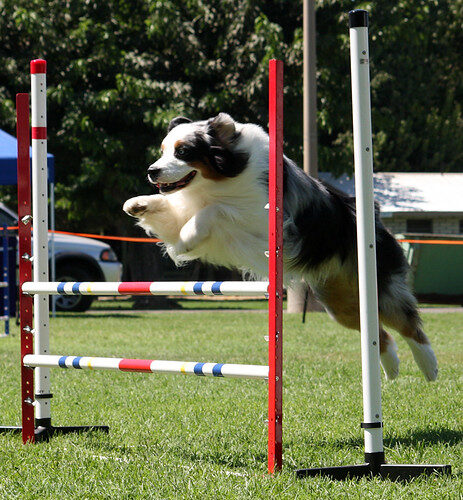
Keep in mind that their physical energy level is high. If you skip exercise, you may see restless behavior that interferes with potty schedules. Regular walks and play sessions support better focus and fewer accidents indoors.
Why Their Intelligence Matters in Potty Training
Your Australian Shepherd learns patterns quickly. That works in your favor when you set a consistent potty schedule.
If you take your puppy outside on a regular schedule.
- After waking up
- After meals
- After play sessions
- Before bedtime
They will start to anticipate those trips. Many Australian Shepherd puppies show readiness for structured training as early as 8 weeks old, especially when you introduce routines right away.
However, intelligence cuts both ways. If accidents happen repeatedly in the same indoor spot, your dog may learn that location is acceptable. Clean accidents thoroughly and interrupt mistakes calmly but immediately.
Because they respond well to positive reinforcement, reward success right away. Use brief verbal praise and small treats. Your timing matters more than the size of the reward.
Unique Potty Training Challenges
Your Australian Shepherd’s energy can create distractions. A puppy may go outside and become more interested in movement, smells, or sounds than in eliminating.
Keep potty trips focused. Choose one designated bathroom area and limit play until after your dog finishes. This helps build a clear association between that spot and the task.
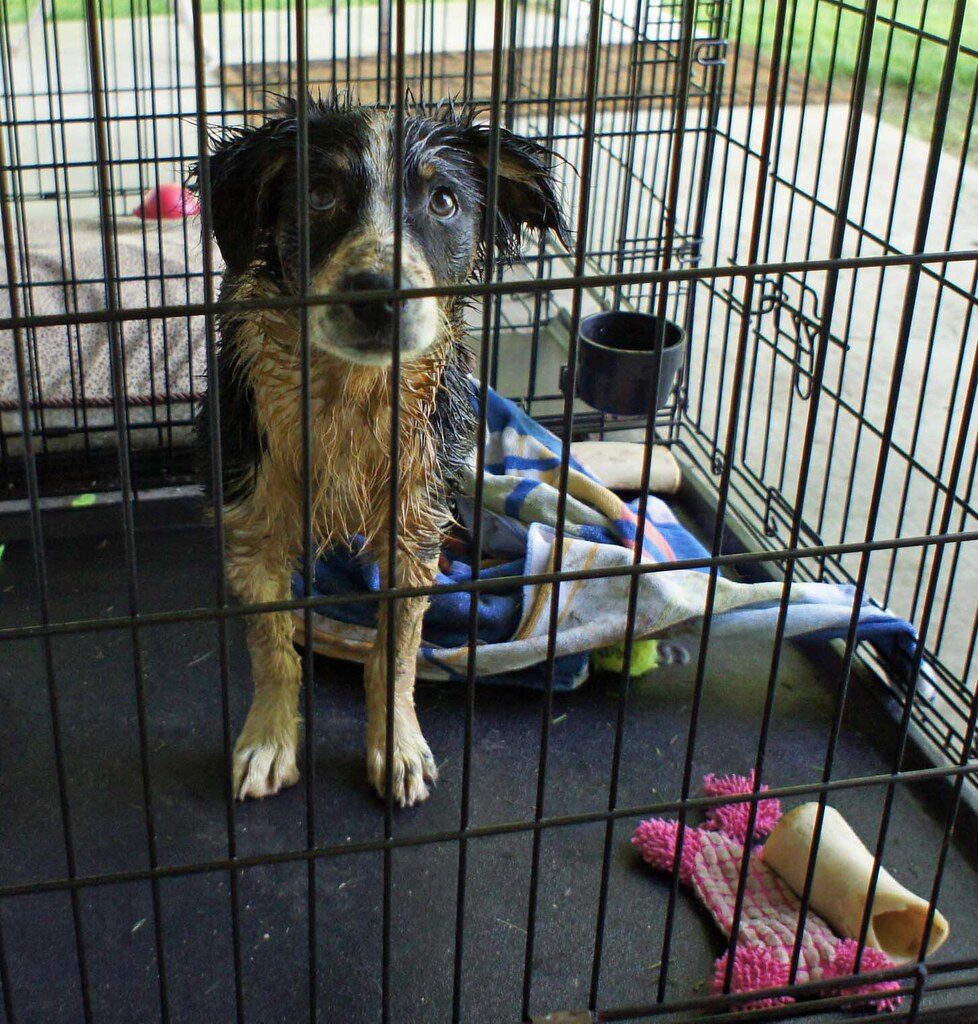
Separation sensitivity can also lead to stress-related accidents, especially in young puppies. Gradual crate training and short, positive alone-time sessions reduce that risk.
Finally, their active bladders often match their active bodies. Young Australian Shepherds may need more frequent breaks than less energetic breeds. Adjust your schedule to your puppy’s age, and expect steady improvement as bladder control develops.
Preparing for Potty Training
Start with the right tools, a clear daily plan, and a designated bathroom spot. When you set these up before training begins, you reduce accidents and help your Australian Shepherd learn faster.
Essential Supplies and Tools
Gather supplies before your puppy comes home so you can respond to accidents and successes right away. Preparation prevents confusion during the first few days.
You will need:
- Crate-sized so your Aussie can stand, turn, and lie down comfortably
- Leash and flat collar or harness for controlled trips outside
- High-value treats cut into small, soft pieces
- Enzymatic cleaner to remove odor from indoor accidents
- Baby gates or a playpen to limit access to the house
Crate training works well with Australian Shepherds because they naturally avoid soiling their sleeping space. Choose a crate with a divider if your puppy is still growing.
Use an enzymatic cleaner, not a standard household spray. Regular cleaners leave scent traces that encourage repeat accidents in the same spot.
Keep treats near the door you will use for potty trips. Quick rewards help your dog connect the behavior with the outcome.
Setting Up a Consistent Routine
Australian Shepherds thrive on structure. A fixed schedule helps their bodies and brains learn when it is time to go.
Take your puppy outside on a regular basis.
- First thing in the morning
- After every meal
- After naps
- After play sessions
- Before bedtime
Young puppies often need a bathroom break every 1–2 hours. At night, you may need one scheduled trip depending on age.
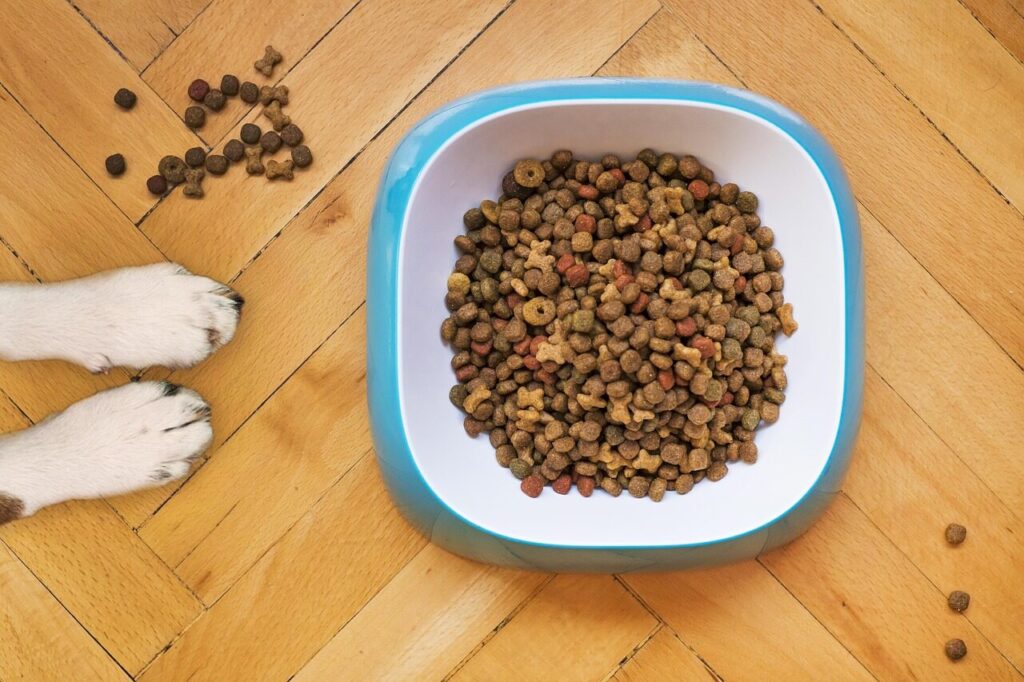
Feed meals at the same times each day instead of free-feeding. Predictable meal times lead to predictable potty times.
Use the same door for potty trips. Walk your puppy out on a leash, even in a fenced yard, to keep the trip focused and prevent distractions.
If an accident happens, stay calm. Clean it thoroughly and adjust the schedule if needed.
Choosing the Right Potty Spot
Pick one specific outdoor area and stick with it. Consistency helps your puppy associate that location with elimination.
Choose a spot that is:
- Quiet and low-traffic
- Easy to access in bad weather
- Free from heavy distractions
Take your Aussie to that exact area every time. Stand still and give a simple cue such as “go potty.”
Avoid turning the trip into playtime until after your dog finishes. If nothing happens after five minutes, bring your puppy back inside and try again in 10–15 minutes.
Reward immediately after your dog finishes in the correct spot. Timing matters, so give the treat within seconds to clearly reinforce the behavior.
Step-by-Step Potty Training Process
You will see steady progress when you follow a consistent routine, reward the right behavior, supervise closely, and use the crate correctly. Australian Shepherds learn quickly, but they also need structure and clear feedback from you.

Establishing a Potty Schedule
Set a strict daily potty schedule from day one. Australian Shepherds thrive on routine, and predictable timing reduces accidents.
Take your puppy outside:
- First thing in the morning
- After every meal
- After naps
- After play sessions
- Before bedtime
Young puppies usually need a break every 1–2 hours. As your dog grows, you can extend that time gradually.
Feed meals at the same times each day instead of free-feeding. A regular feeding schedule creates predictable bathroom patterns. Most puppies need to relieve themselves 10–20 minutes after eating.
Always bring your dog to the same potty spot. The familiar scent encourages them to go faster. Use a simple cue like “Go potty” and repeat it calmly while they sniff.
Stay outside until they finish. If they do not go within five minutes, bring them back inside under supervision and try again shortly after.
Using Positive Reinforcement
Reward your Australian Shepherd immediately after they eliminate outside. Timing matters. Deliver praise and a small treat within two seconds, so they connect the action with the reward.
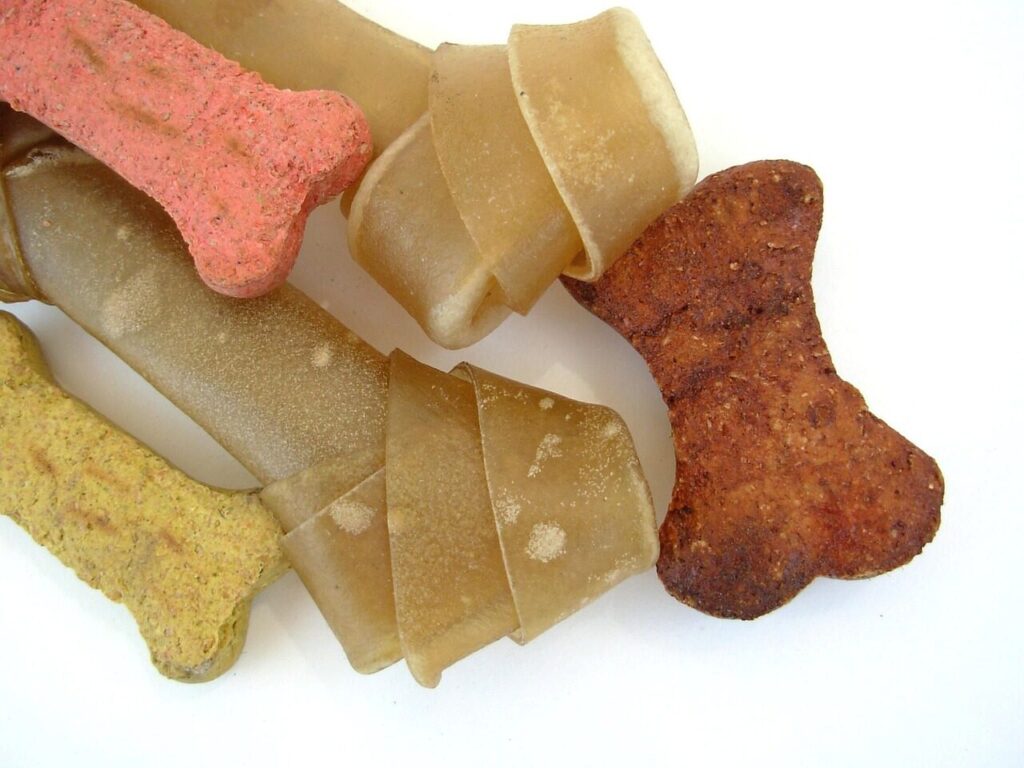
- Verbal praise (“Good potty!”)
- A high-value training treat
- Gentle petting
Keep your tone upbeat but calm. Australian Shepherds respond strongly to positive feedback and quickly repeat behaviors that earn rewards.
Avoid punishment for accidents. Yelling or scolding can create fear and confusion, especially with a sensitive and intelligent breed. Your goal is to teach, not intimidate.
If your dog starts to eliminate outside but gets distracted, stay quiet and let them finish. Then reward fully. Clear and consistent reinforcement builds reliable habits faster than harsh corrections.
Supervision and Managing Mistakes
Close supervision prevents most accidents. When your dog is not in the crate, keep them in the same room with you.
Use tools such as:
- Baby gates
- A leash tethered to your waist
- Closed doors to limit access
Watch for signals like circling, sniffing intensely, whining, or suddenly walking away during play. Act quickly and take them outside.
If you catch your dog mid-accident, interrupt gently with a neutral “Outside” and guide them to the potty area. Do not yell.
Clean indoor accidents immediately with an enzyme-based cleaner. Standard cleaners leave scent markers that encourage repeat accidents. Removing odor fully reduces repeat behavior in the same spot.
Consistency and fast response matter more than perfection.
Crate Training Techniques
Crate training supports potty training because dogs naturally avoid soiling their sleeping area. Choose a crate that is large enough for your Australian Shepherd to stand, turn around, and lie down comfortably—but not large enough to use one corner as a bathroom.
Follow these guidelines:
| Age | Maximum Crate Time (Daytime) |
|---|---|
| 8–10 weeks | 1 hour |
| 10–12 weeks | 2 hours |
| 3–6 months | 3–4 hours |
Take your dog outside immediately after releasing them from the crate. Go straight to the potty spot before play or greetings.
Make the crate positive. Add soft bedding and offer treats when your dog enters. Never use the crate as punishment.
At night, place the crate near your bed at first. If your puppy whines, assume they may need a bathroom break. Keep nighttime trips quiet and brief so they return to sleep quickly.
Troubleshooting Potty Training Problems
Even smart, eager Australian Shepherds can struggle with house training. When accidents, resistance, or setbacks happen, adjust your routine quickly and stay consistent.
Dealing With Accidents
Accidents usually mean your schedule or supervision needs work. Your Australian Shepherd is not being spiteful; most mistakes happen because you missed early signals or waited too long between potty breaks.
Take your dog outside first thing in the morning, after meals, after play, and before bed. Young puppies often need a break every 1–2 hours. If accidents continue, shorten the time between trips outside for a week.
When you catch your dog mid-accident, interrupt with a calm “Outside,” and guide them to the correct spot. Praise and reward immediately after they finish outdoors.
Clean indoor accidents with an enzymatic cleaner. Regular cleaners leave scent traces that encourage repeat marking.
Avoid:
- Rubbing your dog’s nose in the mess
- Yelling or physical punishment
- Letting your dog roam unsupervised too soon
Supervision, routine, and proper cleaning solve most accident issues.
Overcoming Stubbornness
Australian Shepherds are intelligent and energetic. If your dog refuses to go outside or gets distracted, the issue is often focus, not stubbornness.
Keep potty trips short and boring. Use a leash and stand still in one designated potty area. Avoid play until after your dog eliminates.
If your dog holds it outside but goes inside later, return to crate training basics. The crate should be large enough to stand and turn around, but not large enough to use one corner as a toilet. Dogs naturally avoid soiling their sleeping space.
Use high-value rewards. Small pieces of chicken or cheese often work better than dry kibble during early training.

If your dog consistently resists, rule out medical causes such as urinary tract infections by consulting your veterinarian.
Managing Regression
Regression can happen during adolescence, routine changes, or stressful events. Even previously reliable dogs may have accidents at 6–12 months old.
Return to a structured schedule for at least two weeks:
- Scheduled potty breaks
- Leash-guided trips outside
- Supervised indoor time
- Crate use when you cannot supervise
Do not assume your dog “should know better.” Reinforce the basics as if you are starting fresh.
Major changes like moving homes, new pets, or travel can also trigger setbacks. In these cases, increase supervision and reward every successful outdoor elimination.
Consistency rebuilds habits faster than frustration ever will.
Addressing Fear or Anxiety
Some Australian Shepherds hesitate to eliminate outside due to fear. Loud traffic, unfamiliar surfaces, or bad weather can make them uncomfortable.
If your dog seems anxious, choose a quieter potty location. Stay calm and limit stimulation. Avoid forcing your dog into stressful environments.
For weather-related hesitation, use gradual exposure. Walk your dog outside briefly, reward calm behavior, and slowly extend the time outdoors.
If your dog eliminates indoors immediately after coming back inside, anxiety may be the cause. Spend extra time outdoors without pressure, and reward even small signs of progress.
In cases of severe fear, consult a veterinarian or certified trainer. Anxiety-based issues improve with structured, patient guidance.
Socialization and Potty Training
When you expose your Australian Shepherd to new places and animals, you shape how reliably they eliminate outside the home. Calm introductions and clear routines help your dog focus on the right potty habits instead of reacting to distractions.
Introducing New Environments
Take your Australian Shepherd to different safe locations once they start to understand your basic potty routine. New yards, sidewalks, or a friend’s home can distract an intelligent and energetic breed like this.
Before allowing exploration, guide your dog to a designated potty spot first. Stand still, use your chosen cue such as “go potty,” and wait quietly. Reward with praise or a small treat immediately after they finish.
Keep early outings short. Too much stimulation can lead to missed signals or accidents because your dog becomes excited or anxious.
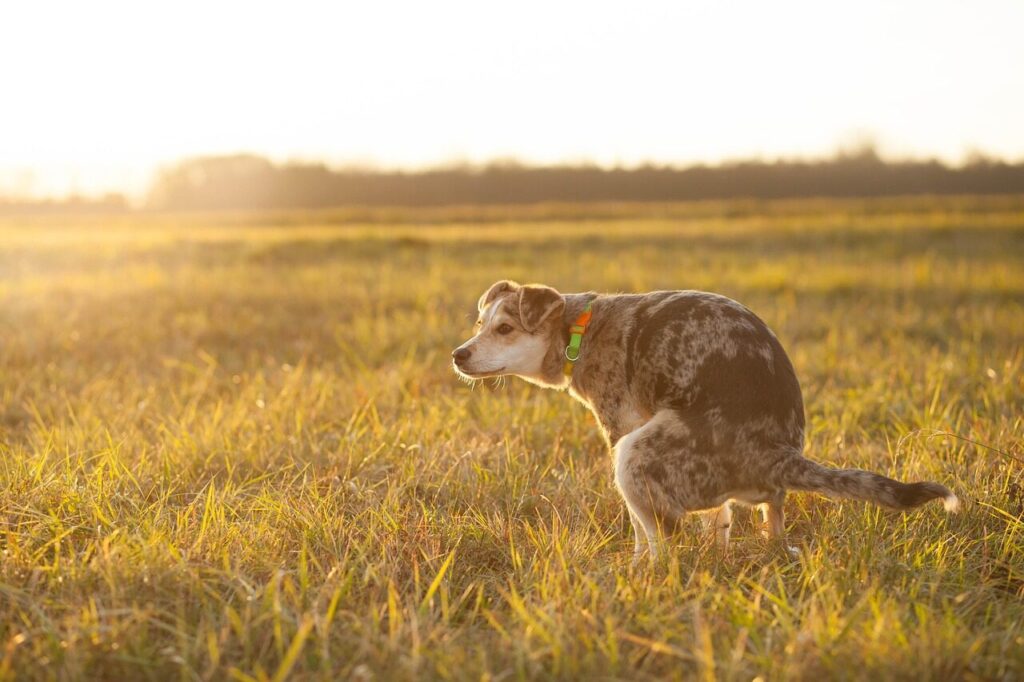
Use this simple order each time you arrive somewhere new:
- Go directly to the potty area.
- Give your cue and wait.
- Reward success.
- Then allow supervised exploration.
Consistency in new settings teaches your dog that the rule stays the same everywhere.
Interacting With Other Pets
Other pets can interrupt your puppy’s focus during potty breaks. Australian Shepherds are social and often eager to engage, especially with other dogs.
Schedule potty time before playtime. If you let dogs greet each other first, excitement may cause your puppy to forget the task or have an accident indoors later.
Watch for signs such as circling, sniffing, or suddenly disengaging from play. Calmly guide your dog to the potty area right away.
If you share a home with other pets, avoid letting them crowd the potty space. Too much movement can distract a young dog. Give your Australian Shepherd a clear, quiet area where they can eliminate without pressure.
Reward calm behavior around other animals, not just successful potty trips. This builds self-control, which directly supports reliable house training.
Potty Training for Puppies vs. Adult Dogs
Your Australian Shepherd’s age changes how you approach potty training. Puppies need tight schedules and constant supervision, while adult dogs often need habit changes and patience as they adjust to a new environment.
Puppy-Specific Tips
Australian Shepherd puppies have small bladders and high energy levels. At 8–12 weeks old, your puppy may need a bathroom break every 1–2 hours, plus immediately after eating, drinking, playing, or waking up.
Take your puppy to the same outdoor spot each time. The consistent scent helps them understand the purpose of the area.
Focus on structure:
- Set a fixed feeding schedule (2–3 meals daily).
- Use a crate sized just large enough to stand and turn around.
- Supervise closely or use a leash indoors to prevent wandering accidents.
Reward success within seconds. Offer a small treat and calm praise right after they finish outside, not when you return indoors.

Expect accidents. Clean them with an enzymatic cleaner to remove odor markers and avoid punishment. Australian Shepherds respond best to clear routines and positive reinforcement, not harsh corrections.
Consistency matters more than speed. Most puppies take several months to become fully reliable.
Training an Adopted or Rescue Australian Shepherd
An adult Australian Shepherd may already have partial house training, but stress or change can cause setbacks. New environments often disrupt previous routines.
Start as if the dog is untrained. Take them out:
- First thing in the morning
- After meals
- Before bedtime
- Every 3–4 hours at first
Watch for subtle signals such as pacing, circling, or sudden sniffing. Adult dogs often give quieter cues than puppies.
If accidents happen, avoid scolding. Instead, increase supervision and tighten the schedule for a few days.
Crate training can still help adult dogs. Many feel secure in a defined space, which reduces anxiety-related accidents.
Give your dog time to adjust. Rescue Australian Shepherds often improve quickly once they understand your routine and feel stable in your home.
Maintaining Good Habits Long Term
Consistency and clear routines keep your Australian Shepherd reliable with house training. You protect the progress you made by reinforcing expectations and adjusting routines as your dog matures.
Reinforcing House Training
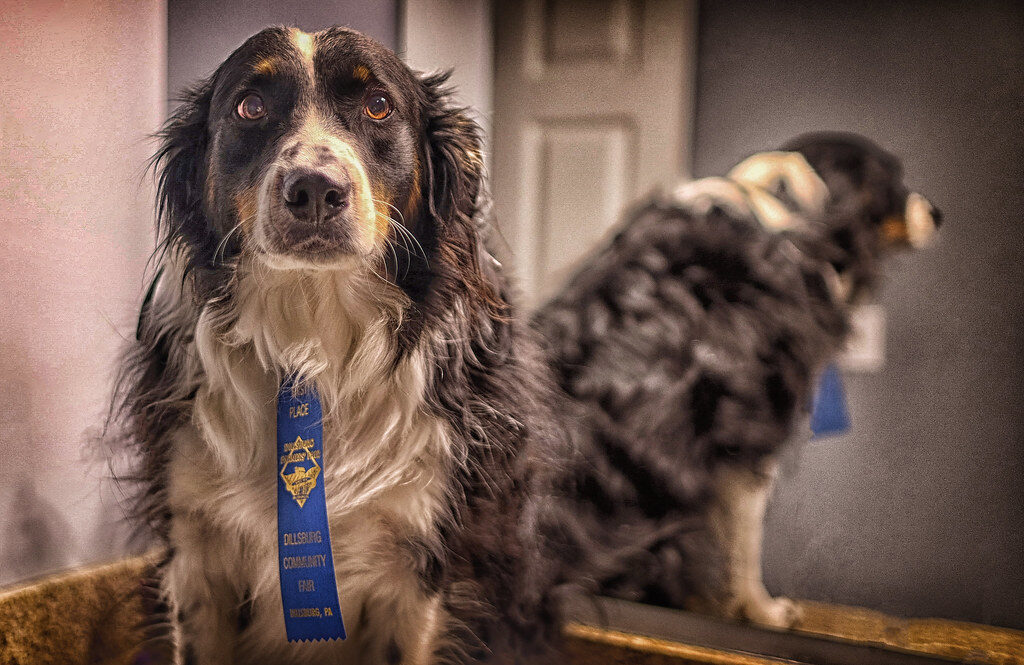
Stick to a predictable daily schedule for meals, walks, and potty breaks. Most adult Australian Shepherds need to go out every 4–6 hours, while puppies may need breaks every 2–3 hours, depending on age.
Keep using the same cue phrase, such as “go potty,” and reward success immediately. Offer praise or a small treat within a few seconds so your dog connects the action with the reward.
If accidents happen, clean the area with an enzymatic cleaner to remove odor completely. Avoid punishment, as it can create anxiety and make your dog hide future accidents.
Watch for subtle signals like:
- Sniffing in circles
- Suddenly leaving the room
- Pacing or whining
Respond quickly and guide your dog outside. Consistent reactions build lasting habits and prevent regression.
Transitioning to Outdoor Potty Breaks
As your Australian Shepherd gains bladder control, gradually space out potty trips. Add 15–30 minutes between breaks every week if your dog stays accident-free.
Move toward a routine that matches your lifestyle. For example:
| Time | Activity |
|---|---|
| 7:00 AM | Morning potty break |
| 12:00 PM | Midday break |
| 5:30 PM | Evening break |
| 9:30 PM | Final outing |
If you started with pee pads or an indoor setup, shift the pad closer to the door over several days. Then place it outside in the chosen potty area before removing it completely.
Always take your dog to the same outdoor spot. Familiar scents encourage faster elimination and reduce distractions.
Even after training, supervise during schedule changes, travel, or stressful events. Australian Shepherds thrive on structure, and keeping routines steady helps prevent setbacks.
When to Seek Professional Help
Most Australian Shepherds respond well to consistent training, but ongoing accidents or unusual behavior can signal a deeper issue. You should rule out health problems first and then consider expert training support if progress stalls.
Signs of Medical Issues
If your Australian Shepherd suddenly starts having accidents after weeks of success, contact your veterinarian. A trained dog does not typically forget house rules without a reason.
Watch for frequent urination, straining, blood in urine, diarrhea, vomiting, or excessive thirst. These signs may point to urinary tract infections, parasites, digestive problems, or other medical conditions that interfere with potty training.
Puppies can also struggle with bladder control beyond the normal age range. Most can hold urine for about one hour per month of age. If your four‑month‑old cannot stay dry for even short periods, a medical check is appropriate.
Do not punish accidents when you suspect a health issue. Schedule an exam, describe the behavior changes clearly, and follow your vet’s treatment plan before continuing structured training.
Finding a Professional Dog Trainer
If your dog is healthy but progress remains inconsistent, a professional trainer can help you adjust your approach. Australian Shepherds are intelligent and energetic, so unclear routines or inconsistent timing often cause setbacks.
Look for trainers who use positive reinforcement methods, not punishment-based systems. Ask about their experience with herding breeds and house training specifically.
Before hiring, confirm:
- Certification from a recognized organization
- Clear training plans and timelines
- Private or small-group sessions if your dog gets overstimulated
- Willingness to involve you in every step
Online training programs can also work if you stay consistent and follow the instructions closely. Choose structured courses that explain scheduling, crate training, and reinforcement strategies in detail.
Frequently Asked Questions on How To Potty Train an Australian Shepherd
To potty train an Australian Shepherd, it works best when you follow a clear routine, use a crate correctly, and reward the exact behavior you want. Consistency, timing, and supervision make the biggest difference in how quickly your dog learns.
What are the best practices for potty training an Australian Shepherd puppy?
Start with a strict schedule. Take your puppy outside first thing in the morning, after meals, after naps, after play sessions, and before bed.
Choose one potty spot outdoors and lead your puppy there on a leash each time. This builds a strong association between that location and bathroom behavior.
Supervise closely indoors. If you cannot watch your puppy, use a crate or a small, puppy-proofed area to prevent accidents.
Reward immediately after your puppy finishes eliminating outside. Offer a small treat and calm praise within a few seconds so your puppy connects the reward to the action.
Can you offer tips for potty training an Australian Shepherd at night?
Limit water intake about one to two hours before bedtime, but never restrict water during the day. Take your dog out right before you go to sleep.
Use a properly sized crate in your bedroom. Most puppies avoid soiling the space where they sleep, which helps them learn to hold it.
If your puppy wakes and whines, take them outside quietly and without play. Keep the lights low and return them to the crate right after they finish.
What should I do if my Australian Shepherd keeps having accidents indoors?
Increase supervision immediately. Many repeated accidents happen because your dog has too much freedom too soon.
Clean all accident areas with an enzymatic cleaner. Regular cleaners leave behind scent markers that can draw your dog back to the same spot.
Review your schedule. If accidents happen at similar times each day, adjust potty breaks to occur earlier.
Avoid punishment. Harsh reactions can make your dog hide when they need to go instead of learning where to eliminate.
How long does it typically take to potty train an Australian Shepherd?
Most Australian Shepherd puppies show steady progress within a few weeks of consistent training. Reliable house training often takes three to six months.
Some puppies learn faster due to temperament and routine. Others need more time, especially if the schedule changes often or supervision is inconsistent.
Stay patient and consistent. Intelligence helps, but repetition builds the habit.
Are there any effective crate training techniques for potty training an Australian Shepherd?
Choose a crate large enough for your dog to stand, turn around, and lie down comfortably. Avoid oversized crates that allow one end for sleeping and the other for eliminating.
Introduce the crate gradually. Feed meals inside and offer treats when your dog enters willingly.
Use the crate for short periods at first, then increase the duration as your dog succeeds. Always take your dog outside immediately after crate time ends.
How can I use positive reinforcement to ensure successful potty training for my Australian Shepherd?
Reward the exact behavior you want to see again. Give praise and a small treat within seconds of your dog finishing outside.
Use a consistent verbal cue, such as “go potty,” while your dog is eliminating. Over time, your dog will associate the phrase with the action.
Keep rewards high value in the early stages. As your dog becomes reliable, you can reduce treats and rely more on praise and routine.