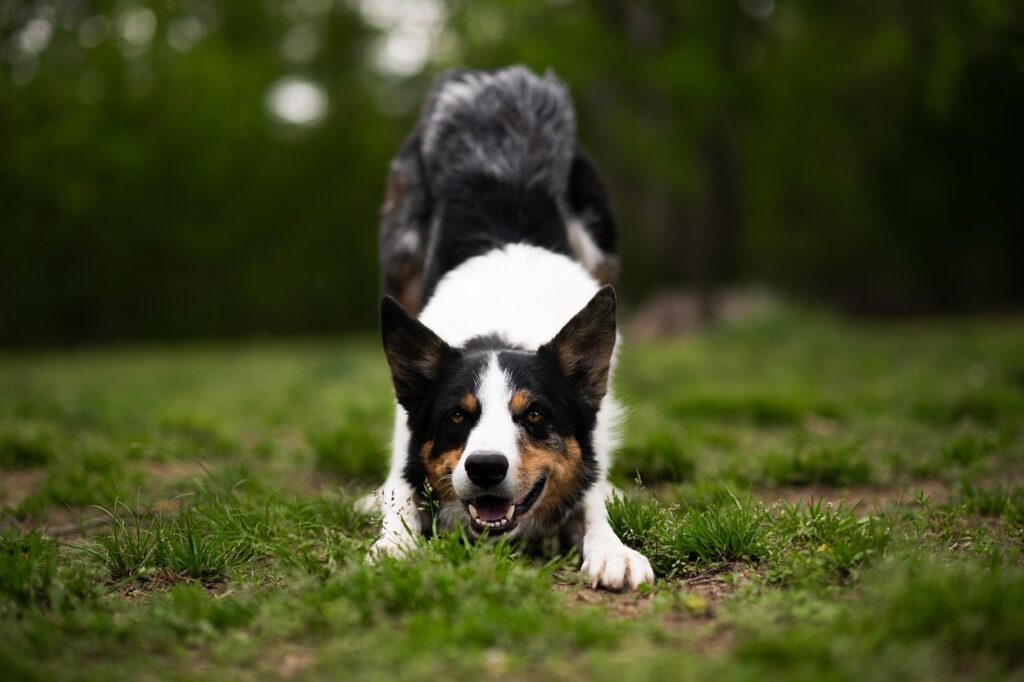
How to Teach Your Dog to Bow: Step-by-Step Guide
Teaching your dog new tricks can be a fun and rewarding experience for both you and your furry friend. One popular trick is to teach your dog to bow. Not only is it a cute and impressive trick, but it can also help to build your pet’s flexibility and balance.

There are several methods you can use to teach your dog to bow, including using treats or toys as a lure, shaping the behavior through positive reinforcement, or using a clicker to mark the desired behavior. Each method has its own advantages and may work better for certain dogs depending on their learning style and temperament. By using positive reinforcement techniques and being patient and consistent, you can successfully teach your dog to bow and impress your friends and family with their new trick.
Remember, it’s important to always keep training sessions short and fun, and to never force your dog into a position they are uncomfortable with. With time and practice, your dog will be bowing like a pro in no time!
Understanding Your Dog’s Learning Style
Every dog is unique and has their own learning style. Understanding your dog’s learning style is crucial when it comes to teaching them new tricks like bowing. Here are four different ways dogs learn:
| Learning Style | Description |
|---|---|
| Visual | Dogs learn by watching and observing other animals or humans. They imitate the behavior they see. |
| Auditory | Dogs learn through sounds and noises. They respond to verbal cues and commands. |
| Kinesthetic | Dogs learn through physical touch and movement. They respond to physical cues and gestures. |
| Tactile | Dogs learn through touch and texture. They respond to physical contact and sensations. |
It’s important to identify your dog’s learning style to tailor your teaching approach to their specific needs. For example, if your pet is a visual learner, you can use other animals or videos to demonstrate the bowing trick. If your dog is an auditory learner, you can use verbal cues and commands to teach them.
Another important aspect of your dog’s learning style is their motivation. Dogs are motivated by different things, such as food, praise, playtime, and attention. Identifying what motivates your dog is crucial when it comes to teaching them new tricks. For example, if your dog is food-motivated, you can use treats as rewards during the training process.
Keep in mind that every canine is different, and it may take some trial and error to find the best teaching method for your furry friend. With patience and consistency, you can teach your dog to bow and other fun tricks.
The Importance of Positive Reinforcement
When it comes to teaching new tricks, positive reinforcement is key. Positive reinforcement training involves rewarding your pet for the things they do right, rather than punishing them for the things they do wrong. This method of training is based on the science of operant conditioning, which states that behavior can be modified by its consequences.
Using positive reinforcement to teach your dog to bow is a great way to build a strong bond between you and your furry friend. By rewarding your furry friend for performing the desired behavior, you are reinforcing the idea that good things happen when they do what you ask. This positive association will make your dog more eager to learn and more willing to perform the behavior in the future.
Positive reinforcement can take many forms. For example, you can use treats, toys, or praise to reward your furry friend for performing the desired behavior. The key is to find something that your pet finds rewarding and use it consistently to reinforce the behavior.
It’s important to note that positive reinforcement is not the same as permissive or indulgent training. You still need to set clear boundaries and rules for your dog, and you should never reward bad behavior. However, by focusing on the positive and rewarding your dog for good behavior, you can create a happy, well-behaved dog that is a joy to be around.
Step-by-Step Guide to Teach Your Dog to Bow
Teaching your dog to bow is a fun trick that can impress your friends and family. Here is a step-by-step guide to help you teach your dog to bow.
Choosing the Right Command Word
The first step in teaching your dog to bow is to choose a command word. You can use any word you like, but it should be short and easy to remember. Some popular command words for this trick include “bow,” “curtsy,” and “take a bow.” Once you have chosen your command word, stick with it throughout the training process.
Using Treats as Motivation
Treats are a great way to motivate your dog during training. Start by holding a treat in your hand and showing it to your furry friend. Then, move the treat slowly from their nose to the ground between their front paws. As your dog follows the treat with their nose, their front legs will naturally bend into a bow position. When your dog reaches the bow position, give them the treat and praise them.
Demonstrating the Bow Position
Once your dog understands the bow position, it’s time to add the command word. Say your chosen command word as you move the treat towards the ground. When your dog reaches the bow position, give them the treat and praise them. Repeat this process several times until they start to associate the command word with the bow position.
Repeating the Training Regularly
Repetition is key to successful dog training. Practice the bow trick regularly with your dog, gradually reducing the frequency of treats and increasing the duration of the bow position. Eventually, your dog will be able to perform the bow trick on command without the need for treats.
By following these simple steps, you can teach your dog to bow in no time. Remember to be patient and consistent with your training, and always reward them for their hard work.
Common Mistakes to Avoid
When teaching your dog to bow, there are some common mistakes that you should avoid to ensure that your training is effective and successful. Here are some of the most common mistakes that dog owners make when teaching their pet to bow:
Inconsistent Command Words
One of the most common mistakes that dog owners make when teaching their dogs to bow is using inconsistent command words. It is important to choose a command word that is easy for your furry friend to understand and stick to it. Using different words or phrases to give the same command can confuse your dog and make it more difficult for them to learn.
Overuse of Treats
Another common mistake that dog owners make when teaching their dogs to bow is overusing treats. While treats can be a great motivator for your dog, relying too heavily on them can actually hinder your dog’s progress. Your dog may become too focused on the treat and not on the behavior you are trying to teach. It is important to use treats sparingly and gradually reduce their use as your dog becomes more proficient at the behavior.
Lack of Patience
Teaching your dog to bow takes time and patience. One of the biggest mistakes that dog owners make is expecting their dog to learn the behavior quickly. It is important to remember that every dog learns at their own pace, and some dogs may take longer to learn than others. It is important to be patient and consistent in your training, and to celebrate even small successes along the way.
By avoiding these common mistakes, you can help ensure that your training is effective and successful. With patience, consistency, and the right approach, you can teach your dog to bow in no time!

Signs of Progress
When teaching your dog to bow, it’s important to look for signs of progress to know if your training techniques are effective. Here are some signs to look for.
Consistent Behavior: If your dog is consistently responding to your command to bow, it’s a sign that they are learning and making progress. Consistency is key when it comes to training your dog.
Increased Confidence: As your dog becomes more comfortable with the bowing behavior, you may notice an increase in their confidence. They may start to perform the behavior more eagerly and with more enthusiasm.
Willingness to Learn: If your dog is showing a willingness to learn and engage with you during training sessions, it’s a good sign that they are making progress. This means that they are motivated to learn and are enjoying the training process.
Improved Timing: As your dog becomes more familiar with the bowing behavior, you may notice that their timing improves. They may start to anticipate your command and bow before you even give the cue.
Reduced Distractions: As your dog becomes more focused on the training process, they may become less distracted by their surroundings. This is a sign that they are becoming more engaged in the training process and are making progress.
Remember, every dog learns at their own pace, so it’s important to be patient and consistent with your training techniques. By looking for these signs of progress, you can track your animals learning and ensure that you are on the right track to teaching them to bow.

When to Seek Professional Help
Teaching a dog to bow is a fun and rewarding experience for both you and your furry friend. However, every dog is different, and some may require more time and patience than others to learn this trick. While most dogs can learn to bow with consistent training and positive reinforcement, there may be situations where seeking professional help is necessary.
Here are some situations where seeking professional help may be beneficial.
Aggression: If your dog shows any signs of aggression during training, such as growling, biting, or snapping, it’s important to seek professional help immediately. A professional dog trainer or behaviorist can help identify the root cause of the aggression and provide a safe and effective training plan.
Fear or Anxiety: If your dog is fearful or anxious during training, it can be difficult to make progress. A professional can help identify the triggers that cause fear or anxiety and provide a training plan to help your dog feel more comfortable and confident.
Health Issues: If your dog has any health issues that may affect their ability to perform the bow, such as arthritis or joint pain, it’s important to seek professional help. A professional can help modify the training plan to accommodate your dog’s needs and prevent any further injury.
Remember, every dog is different, and some may require more time and patience than others to learn new tricks. If you’re having difficulty teaching your dog to bow, seeking professional help can be a great way to ensure that your dog learns the trick safely and effectively.
Frequently Asked Questions
What are some fun tricks to teach your dog?
Teaching your dog tricks can be a fun way to bond with your furry friend and keep them mentally stimulated. Some fun tricks to teach your dog include playing dead, rolling over, and shaking hands. You can also teach your dog to give high-fives, spin in a circle, or even jump through a hoop.
How do I teach my dog to take a bow?
Teaching your dog to take a bow is a fun and easy trick. First, start by getting your dog’s attention with a treat. Then, hold the treat in front of your dog’s nose and slowly lower it towards the ground. As your dog follows the treat, they should naturally lower their head and front legs into a bow position. Once they do, give them the treat and praise them. Repeat this process several times until your dog starts to associate the bow with the command “bow.”
What are the hardest tricks to teach a dog?
Some of the hardest tricks to teach a dog include opening and closing doors, turning off lights, and picking up objects. These tricks require a lot of patience, training, and sometimes specialized equipment. However, with persistence and positive reinforcement, any trick can be taught to a dog.
How do I teach my dog to bow without lying down?
Teaching your dog to bow without lying down is possible. First, start by getting your dog into a standing position. Then, hold a treat in front of your dog’s nose and slowly move it towards their front legs. As your dog follows the treat, they should naturally lower their head and front legs into a bow position. Once they do, give them the treat and praise them. Repeat this process several times until your dog starts to associate the bow with the command “bow.”
How do you teach a dog to do downward dog?
Teaching your dog to do downward dog is similar to teaching them to bow. First, start by getting your dog into a standing position. Then, hold a treat in front of your dog’s nose and slowly move it towards the ground. As your dog follows the treat, they should naturally stretch their front legs out in front of them and lower their head into a downward dog position. Once they do, give them the treat and praise them. Repeat this process several times until your dog starts to associate the downward dog with the command “downward dog.”
How do I teach my dog to sit pretty?
Teaching your dog to sit pretty is a fun trick that involves your dog sitting up on their hind legs with their front paws in the air. First, start by getting your dog into a sitting position. Then, hold a treat in front of your dog’s nose and slowly move it upwards. As your dog follows the treat, they should naturally lift their front paws off the ground. Once they do, give them the treat and praise them. Repeat this process several times until your dog starts to associate sitting pretty with the command “sit pretty.”